
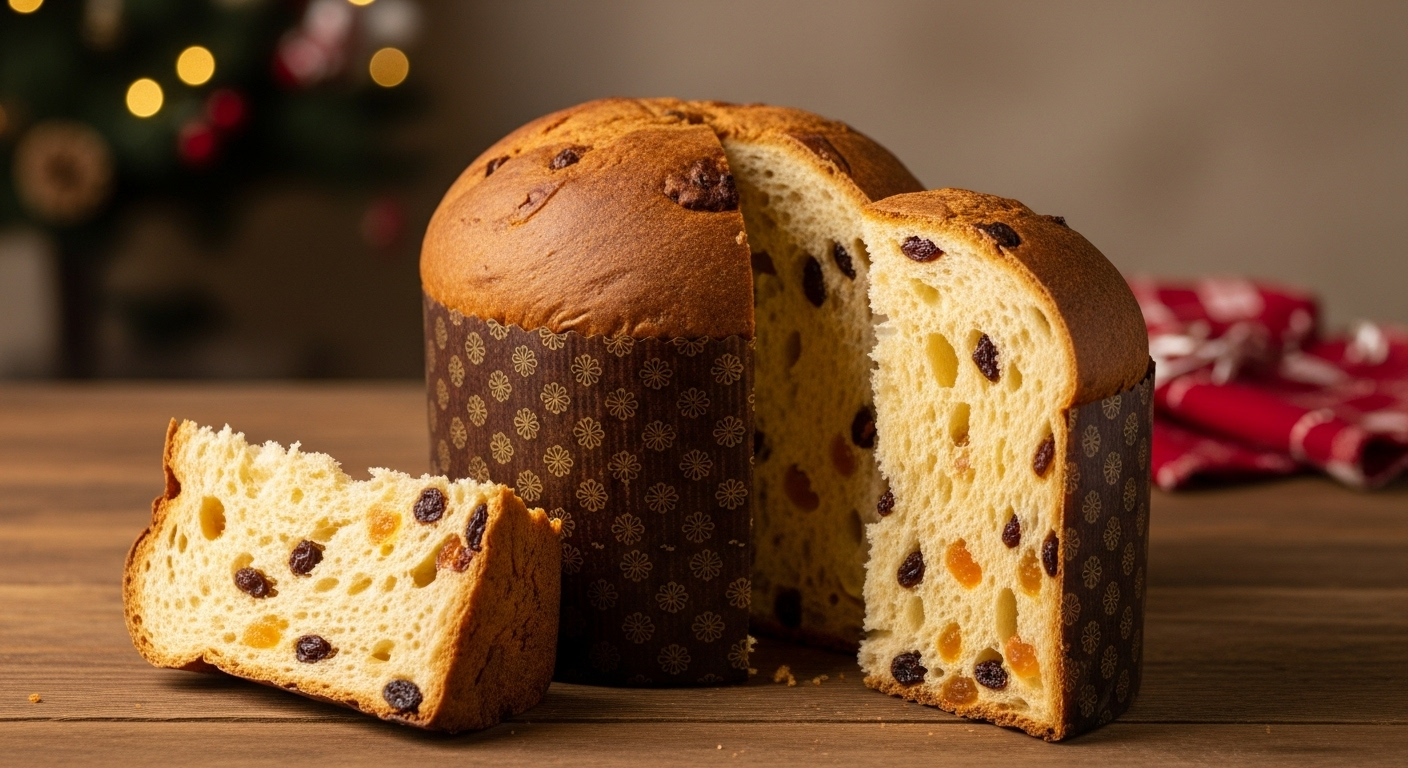
As winter’s chill sets in and holiday lights begin to twinkle, kitchens across Italy come alive with the warm, inviting aroma of a timeless treat: panettone. this iconic sweet bread, with its golden dome and studded bursts of candied fruit and raisins, is more than just a dessert-it’s a symbol of festive joy, family gatherings, and centuries-old tradition. Originating from Milan, panettone has risen beyond its regional roots to become a beloved centerpiece of holiday celebrations around the world. In this article, we’ll unwrap the rich history, unique ingredients, and cultural importance behind each tender slice of this quintessential Italian holiday bread.
Panettone Bread: A Sweet Slice of Italian Holiday Tradition
Panettone bread is more than just a festive treat; it’s an emblem of Italian heritage, a fragrant symphony of citrus, raisins, and rich butter that has journeyed through centuries to grace holiday tables worldwide. Its towering, airy dome and tender crumb evoke memories of warmth, festivity, and culinary craftsmanship-a true masterpiece of time-honored baking.
Prep and Cook Time
- Preparation: 45 minutes (plus overnight rising)
- Cook Time: 50-60 minutes
- Total Time: Approximately 18 hours (including fermentation)
Yield
- One 1.5 kg (3.3 lb) panettone, serving 10-12 slices
Difficulty Level
- Advanced: Requires patience and precision for optimal rise and texture
Ingredients
- 600g all-purpose flour, sifted
- 150g granulated sugar
- 200g unsalted butter, softened
- 4 large eggs, room temperature
- 180ml whole milk, warmed to 38°C (100°F)
- 20g fresh brewer’s yeast or 7g active dry yeast
- 150g mixed dried fruits (sultanas, candied orange peel, citron)
- 1 lemon, zest finely grated
- 1 orange, zest finely grated
- 1 tsp vanilla extract
- Pinch of salt
- Butter and flour for greasing the panettone mold
Instructions
- Activate the yeast: In a small bowl, dissolve yeast in the warmed milk with 1 teaspoon of sugar. Let it sit for 10 minutes until foamy.
- Make the dough starter: Combine 150g flour with the activated yeast mixture to form a sticky dough. Cover with a damp cloth and let it rise in a warm spot for 2 hours until doubled in size.
- Prepare the enriched dough: In a large mixing bowl, whisk eggs and sugar until pale and fluffy. Add softened butter, vanilla extract, lemon and orange zest, and salt. Mix thoroughly.
- Incorporate the starter and flour: Gradually fold the risen starter into the egg mixture, then add remaining flour little by little, kneading to a smooth, elastic dough (about 15 minutes by hand or 7 minutes in a stand mixer with dough hook).
- Add fruits: Gently fold in dried fruits, ensuring even distribution without deflating the dough.
- First proof: Shape the dough into a ball, place in a lightly greased bowl, cover with plastic wrap, and let rise in a warm surroundings for 8-12 hours-ideally overnight-until doubled.
- Prepare molds: Butter and flour your panettone paper molds or metal molds lined with parchment paper for easy release.
- Shape and second proof: Deflate the dough gently and shape into a tight ball.Place into prepared molds, cover loosely, and let rise again until the dough reaches the top of the mold (around 3-4 hours).
- Bake: Preheat oven to 175°C (350°F). Score a deep cross on top of each panettone and dot with a small piece of butter at the center. bake for 50-60 minutes until golden on top and hollow-sounding when tapped.
- Cool inverted: Instantly after baking, insert two skewers horizontally through the panettone sides and hang upside down to cool fully-this prevents collapse and keeps the airy crumb structure intact.
Tips for Success
- Choose quality ingredients: Use fresh, high-fat butter and ripe dried fruits for maximum flavor depth.
- Temperature matters: Room temperature eggs and warm liquids help activate yeast effectively.
- Patience with proofing: longer, slower rises yield that classic, light panettone texture.
- Fruit soaking: For softer fruit, soak them overnight in warm water or liquor; drain well before adding.
- Make-ahead: Bake panettone 1-2 days before serving; it tastes even better after ageing slightly in an airtight container.
Serving Suggestions
Slice panettone bread thickly to reveal its golden, fragrant crumb studded with jewels of fruit. Serve alongside a dollop of mascarpone cream or whipped ricotta, dusted with powdered sugar and a twist of orange zest. For festive flair, garnish with toasted almonds or a drizzle of honey. Pair it with classic Italian drinks like Vin Santo or a sparkling Prosecco to elevate your holiday feast.
| Nutrient | Per Serving (1 slice) |
|---|---|
| calories | 320 kcal |
| Protein | 6g |
| Carbohydrates | 50g |
| Fat | 9g |

Explore more holiday baking delights in our Italian Holiday Baked Goods collection for inspiration that complements the allure of panettone bread perfectly.
Q&A
Q&A: Panettone Bread – A Sweet Slice of Italian Holiday Tradition
Q1: what exactly is Panettone?
A1: Panettone is a tall, dome-shaped italian sweet bread, renowned for its light, airy texture and a delightful medley of candied fruits and raisins. Traditionally enjoyed during Christmas and New Year, it’s more than just a dessert-it’s a symbol of celebration and family togetherness in Italy.
Q2: Where did Panettone originate?
A2: The roots of Panettone trace back to Milan, in Northern Italy, during the Middle Ages. Legend has it that a humble kitchen assistant created this sweet bread to impress his beloved, blending rich ingredients into a loaf that quickly became a festive favourite.
Q3: What ingredients make Panettone unique?
A3: Panettone’s magic lies in its slow-risen dough, enriched with butter, eggs, and sugar, giving it a tender crumb. The inclusion of candied orange peel, citron, lemon zest, and plump raisins adds bursts of sweetness and texture, elevating it into the quintessential holiday treat.
Q4: How is Panettone traditionally enjoyed?
A4: In Italy, Panettone is often savored at breakfast with a cup of coffee or at dessert with a glass of sweet wine like Moscato. It’s also commonly served with mascarpone cream or dipped into warm drinks, making each bite a cozy, festive experience.
Q5: What makes Panettone different from other holiday breads?
A5: Unlike denser fruitcakes or stollens, Panettone boasts a remarkably fluffy and delicate crumb, thanks to its unique double fermentation process. This airiness, combined with the aromatic dried fruits, sets it apart as a lighter and more fragrant holiday indulgence.
Q6: Has Panettone evolved over time?
A6: absolutely! While the classic recipe remains beloved,modern bakers experiment with chocolate chips,pistachios,or exotic dried fruits. There are also gluten-free and vegan variations, ensuring everyone can enjoy this slice of Italian tradition.
Q7: Why is Panettone considered a symbol of Italian holidays?
A7: Beyond its flavor, panettone embodies the spirit of warmth, generosity, and celebration that defines Italian holidays. Sharing a slice of Panettone is sharing stories, love, and centuries-old customs-a sweet reminder of the joy found around the family table.
Q8: Can I bake Panettone at home?
A8: You certainly can, but be ready for a labor of love. Panettone requires time,patience,and attention to detail-especially during the lengthy rising periods. However, the reward is a homemade treasure that fills your home with the comforting aroma of an Italian Christmas.
Q9: Where can I buy authentic Panettone?
A9: Authentic Panettone can be found in Italian bakeries worldwide during the holiday season. For the genuine experience, seek out artisanal brands from Milan or trusted Italian producers who use conventional methods and ingredients.
Q10: What’s the best way to store Panettone?
A10: Panettone stays fresh wrapped tightly in plastic or stored in an airtight container at room temperature for up to two weeks. To revive its softness, gently warm slices before serving-perfect for keeping the festive spirit alive bite after bite.
In Summary
As the aroma of toasted almonds and candied citrus fades from your kitchen, the story of panettone lingers-a centuries-old symbol of celebration, family, and festive joy. This sweet, airy bread is more than just a holiday treat; it’s a flavorful slice of Italian heritage that brings warmth to gatherings around the world. Whether enjoyed with a cup of coffee on a quiet morning or shared amid laughter at the holiday table, panettone continues to connect generations through its rich flavors and cherished traditions.So next time you unwrap that golden dome, remember: you’re not just tasting bread-you’re savoring a piece of Italy’s festive soul.