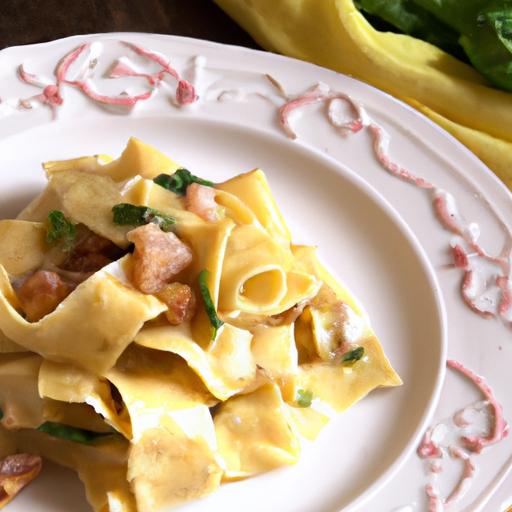

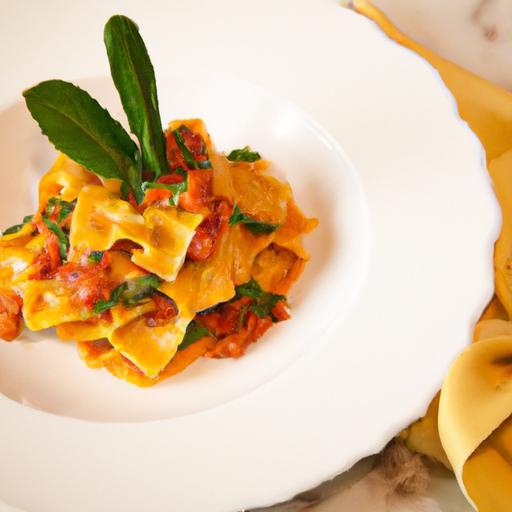
Wide, luscious ribbons of pasta, supple yet substantial, glide effortlessly from simmering pots to vibrant sauces-this is the essence of pappardelle, Italy’s celebrated culinary treasure. More than just a type of pasta, pappardelle embodies a rich heritage of regional tradition and craftsmanship, inviting food lovers to explore the artistry behind its broad, flat strands. In this article, we unravel the story of pappardelle-from its rustic origins in Tuscany’s rolling hills to its starring role in hearty ragùs and delicate seasonal dishes-offering a delicious journey through Italy’s wide ribbon pasta delight.
Pappardelle Unveiled: this beloved wide ribbon pasta hails from the picturesque regions of tuscany, where rustic simplicity meets culinary artistry. legend has it that pappardelle was crafted to perfectly showcase hearty sauces, especially those rich with wild game and slow-cooked meats. The broad, tender ribbons beckon sauce to cling lovingly to every fold, making each bite a symphony of texture and flavour. Whether enjoyed in a Tuscan farmhouse or your own kitchen, mastering pappardelle offers a delicious bridge to Italian tradition and family memories.
Prep and Cook Time
Planning: 20 minutes | Resting Dough: 30 minutes | Cooking: 3-4 minutes
Yield
Serves 4 generous portions.
Difficulty Level
Medium – a rewarding project for home cooks ready to explore fresh pasta making and classic Italian techniques.
Ingredients
- 2 cups all-purpose flour, sifted
- 3 large eggs, at room temperature
- 1 tbsp olive oil
- ½ tsp salt
- Semolina flour, for dusting
Instructions
- Combine Flour and Salt: On a clean, flat surface, mound the sifted flour and create a well in the center. Sprinkle the salt evenly around the flour’s edge.
- Add Eggs and Oil: Crack the eggs into the well, add the olive oil, and gently beat with a fork, gradually incorporating the surrounding flour.
- Knead the Dough: Once the mixture begins to hold together, knead the dough vigorously for 8-10 minutes until smooth, elastic, and slightly tacky. If it feels sticky, dust lightly with flour.
- Rest the Dough: Wrap the dough ball in plastic wrap, allowing it to rest at room temperature for 30 minutes. This relaxes the gluten and makes rolling easier.
- Roll Out the Dough: Divide the dough into 2 portions. Using a pasta machine or rolling pin, roll each piece into a thin sheet approximately 1/16 inch thick. Keep sheets lightly dusted with semolina flour to prevent sticking.
- Cut the Pappardelle: Using a sharp knife or pasta cutter, slice the sheets into wide ribbons about ¾ to 1 inch wide – the defining feature of pappardelle.
- Cook the Pasta: Bring a large pot of salted water to a boil. Drop in the ribbons and cook for 3-4 minutes until tender but al dente. Fresh pasta cooks fast-taste early to avoid overcooking.
- Drain and Dress: Reserve some pasta water before draining. Toss the pasta immediately with your chosen sauce, adding a splash of reserved water if needed to marry the flavors.
Tips for Success
- Flour Choice: For a slightly nuttier texture,substitute half the all-purpose flour with “00” flour,the Italian gold standard for pasta.
- Egg Temperature: Warm eggs blend better, so avoid refrigerated eggs straight from the fridge to improve dough consistency.
- resting is Key: don’t skip resting! it softens the dough, making it more pliable and easier to roll without tearing.
- Adjust Width: Conventional pappardelle are about ¾ to 1 inch wide. If you prefer, experiment slightly wider or narrower, but maintain the broad ribbon character.
- Make Ahead: fresh pappardelle can be dried on a pasta rack for a few hours or frozen flat in a single layer between parchment sheets for up to 3 months.
Pairing Pappardelle with Sauces for Authentic Italian Flavor
Pappardelle’s broad ribbons thrive under the embrace of rich, robust sauces.Classic pairings include cinghiale ragù (Tuscan wild boar sauce), creamy mushroom ragù, or slow-simmered beef and tomato ragù. The generous surface area of pappardelle lets every bite become coated with luscious, savory goodness. For a lighter variation, try a sage and browned butter sauce accented with toasted pine nuts and Parmesan flakes-simplicity at its finest and true to Italian tradition.
Creative Recipes and Serving Suggestions to Elevate Your Pasta Experience
Transform your pasta moment by layering flavors and textures. Toss freshly cooked pappardelle with:
- Roasted wild mushrooms,garlic,and truffle oil,then finish with grated Pecorino Romano for depth.
- Sautéed shrimp with cherry tomatoes, chili flakes, and fresh basil for a coastal twist that’s vibrant and aromatic.
- Slow-cooked lamb ragù enriched with red wine for an indulgent, cozy dinner inspired by Italian farm-to-table heritage.
- Simply dressed with a drizzle of extra virgin olive oil, fresh cracked pepper, and a sprinkle of Parmigiano-Reggiano when you crave the purest pappardelle experience.
Garnish with fresh herbs like flat-leaf parsley or basil,a hint of lemon zest to brighten,or a scattering of toasted walnuts for a subtle crunch. Present your pappardelle on rustic earthenware plates to evoke the warm, inviting spirit of Italian countryside.

| Nutrient | Per Serving |
|---|---|
| Calories | 350 kcal |
| Protein | 12 g |
| Carbohydrates | 60 g |
| Fat | 5 g |
For more classic Italian pasta inspirations, explore our detailed guide on handmade fettuccine pasta techniques. To deepen your understanding of pasta history and its regional varieties, visit Saveur’s in-depth article on pasta origins.
Q&A
Q&A: Pappardelle unveiled – Italy’s Wide Ribbon Pasta Delight
Q1: What is pappardelle and how did it get its name?
A1: Pappardelle is a broad, flat ribbon pasta that hails from the heart of Tuscany, Italy. Its name comes from the Tuscan verb pappare, which means “to gobble up”-a perfect hint at how irresistibly delicious this pasta is. The wide ribbons are designed to scoop up hearty sauces, making every bite a rich, satisfying experience.
Q2: How does pappardelle differ from other pasta shapes like fettuccine or tagliatelle?
A2: While fettuccine and tagliatelle are long and narrow ribbons, pappardelle are noticeably wider-typically around 2 to 3 centimeters across.This generous width allows pappardelle to hold onto chunky, robust sauces like wild boar ragù or creamy mushroom blends, elevating the dish’s texture and flavor profile.
Q3: What traditional sauces are pappardelle typically paired with?
A3: In Tuscany, pappardelle often stars alongside rich meat ragùs such as cinghiale (wild boar), rabbit, or duck.These slow-cooked sauces cling to the pasta’s wide surface, marrying tender meat with silky noodles. Additionally, earthy mushroom sauces or decadent cream-based dressings are popular choices that complement pappardelle’s hearty bite.
Q4: Is pappardelle always made fresh, or can it be found dried?
A4: While fresh pappardelle offers a tender, silky texture prized by chefs and home cooks alike, dried versions are also widely available and beloved for their convenience and shelf life. Both forms can deliver delicious results, though fresh pasta tends to have a delicate chew that pairs beautifully with traditional Tuscan recipes.
Q5: Can pappardelle be made at home, and what should one keep in mind during preparation?
A5: Absolutely! Making pappardelle at home is a gratifying culinary adventure. The key is rolling the dough thin yet sturdy enough to maintain its broad shape without tearing. Use a sharp knife or a pasta cutter to create even ribbons. Cooking time is short-typically just 2 to 4 minutes-so keep a watchful eye to maintain that perfect al dente texture.
Q6: What makes pappardelle a beloved pasta shape in Italian cuisine?
A6: Pappardelle embodies rustic Italian charm-simple yet versatile. Its generous width invites rich, bold flavors, making it an ideal canvas for hearty, traditional Tuscan ingredients.Whether dressed in a savory meat sauce or a delicate vegetable ragù,pappardelle transforms every meal into a comforting party of Italy’s culinary heritage.
Q7: Are there any modern twists or international takes on pappardelle?
A7: Certainly! While classic recipes honor Tuscany’s roots, creative chefs globally experiment with pappardelle by pairing it with seafood, vibrant pesto sauces, or even Asian-inspired stir-fry blends. The pasta’s broad ribbons lend themselves well to absorbing diverse flavors, making pappardelle a delicious bridge between tradition and innovation.
enjoy uncovering the wide, wonderful world of pappardelle-the ribbon pasta that invites you to savor every savory strand!
In Retrospect
As the ribbons of pappardelle glide gracefully from rustic kitchen tables to elegant dining rooms around the world, they carry with them centuries of Italian tradition and artistry. This wide, comforting pasta is more than just a culinary staple-it’s a canvas inviting rich sauces, hearty meats, and vibrant vegetables to dance in harmonious flavor. Whether savored in a cozy trattoria or crafted in your own kitchen, pappardelle invites you to experience Italy’s heart through every tender, ribboned bite. So next time you seek a dish that tells a story as rich as its taste, let pappardelle be your delicious guide-unveiling Italy’s wide ribbon pasta delight, one savory strand at a time.