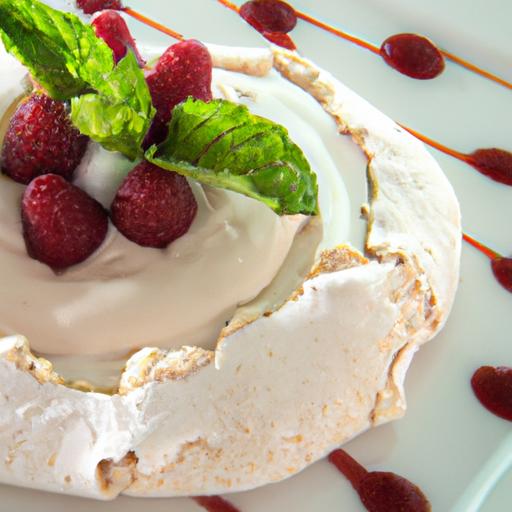

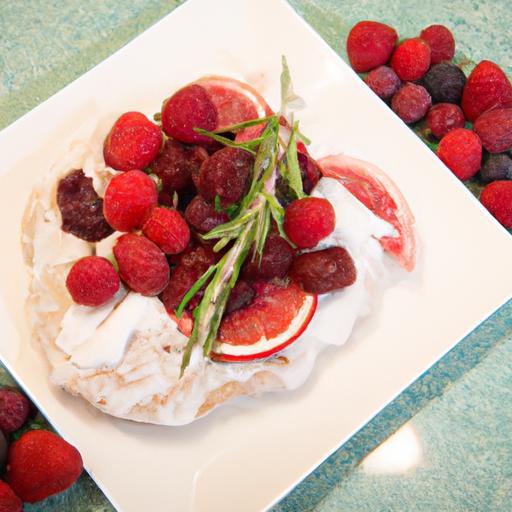
In the world of desserts, few confections carry the ethereal charm and storied legacy of the pavlova. Whipped from simple ingredients-egg whites and sugar-this delicate meringue delight boasts a crisp crust and a marshmallow-soft heart,crowned with fresh fruits and cream. But beyond its airy texture and luscious flavor lies a tale as layered and captivating as the dessert itself. “Pavlova Unwrapped: The Sweet Story Behind the Meringue Delight” peels back the sugary veil to reveal the origins, myths, and culinary journey of this iconic treat, inviting readers to savor not just its taste but its rich cultural meaning. Join us as we unravel the history sprinkled with intrigue and the science behind the perfect pavlova fluff.
Pavlova Unwrapped: the Sweet Story Behind the Meringue Delight invites you to explore one of the most elegant yet approachable desserts in the culinary world. This iconic meringue-based confection, named after the legendary Russian ballerina Anna Pavlova, balances a crisp, cloud-like exterior with a soft, marshmallow center-making every bite a serenade of textures and flavors. Its origins, shrouded in friendly culinary debates between Australia and New Zealand, only add to its mystique and cultural charm, where it remains a symbol of party and refinement.
Prep and Cook Time
- Preparation: 20 minutes
- Cooking: 1 hour 15 minutes
- Cooling: 2 hours (room temperature)
Yield
Serves 8 to 10 delightful portions
Difficulty Level
Medium – While pavlova requires patience and technique, its rewarding for any home baker willing to master the art of meringue.
Ingredients
- 4 large egg whites, at room temperature
- 1 cup (200g) superfine sugar
- 1 tsp white vinegar (helps stabilize the meringue)
- 1 tbsp cornstarch (cornflour)
- 1 tsp vanilla extract
- 1 cup heavy whipping cream
- 2 tbsp powdered sugar, sifted
- Fresh fruit for topping: sliced kiwis, strawberries, passionfruit pulp, and blueberries
Instructions
- Preheat your oven to 250°F (120°C). Line a baking tray with parchment paper.Using a pencil, draw a 8-inch (20cm) circle on the paper as a guide; flip paper over so pencil side is down.
- Beat egg whites in a clean, grease-free bowl with an electric mixer until soft peaks form-this means they hold shape but tip over softly.
- Gradually add superfine sugar one tablespoon at a time,continuing to beat on high speed until stiff,glossy peaks form and sugar is fully dissolved-test by rubbing a pinch between fingers; it should feel smooth,not gritty.
- Fold in vinegar,cornstarch,and vanilla carefully with a rubber spatula - this combination creates that beautiful marshmallow center and keeps the meringue stable.
- Transfer the mixture onto your parchment, using the circle as a guide. Shape the edges slightly higher than the center, forming a shallow bowl to hold the whipped cream and fruit.
- Bake for 1 hour 15 minutes until the outside is crisp and dry but still white (avoid browning). Turn off oven and leave pavlova inside to cool completely, ideally for 2 hours or overnight, to minimize cracks.
- Whip heavy cream with powdered sugar until soft peaks form just before serving.
- Assemble your pavlova: spoon whipped cream into the center of the cooled meringue and elegantly arrange your colorful fresh fruits on top.
Tips for Success
- Use room temperature eggs-they whip to greater volume, aiding in the perfect meringue rise.
- Resist opening the oven door during baking and cooling to prevent cracks and collapsing.
- If superfine sugar is unavailable, blitz granulated sugar in a food processor for 1-2 minutes to achieve the right texture.
- For a flavor twist, try folding in finely chopped toasted nuts or infusing the whipped cream with a splash of liqueur.
- Pavlova is best enjoyed the day it’s assembled but the unadorned meringue shell can be stored airtight for up to 3 days.
Serving suggestions
Present your pavlova on a beautiful white platter to highlight its pristine exterior. Garnish with vibrant edible flowers like violets or pansies to elevate the visual feast. Drizzle a thin ribbon of passionfruit syrup or a dusting of icing sugar over the top for a delicate finishing touch. Pair with a chilled glass of sparkling wine or a fruity iced tea for an unforgettable dessert experience.

Nutrition Details
| Nutrient | Per Serving |
|---|---|
| Calories | 250 kcal |
| Protein | 3 g |
| Carbohydrates | 40 g |
| Fat | 7 g |
To deepen your culinary journey, check out our related post on How to Make Perfect Meringue Every Time. For more on the engaging history of Pavlova’s origin and its celebrated status, visit Britannica.
Q&A
Q&A: Pavlova Unwrapped - The Sweet Story Behind the Meringue Delight
Q1: What exactly is a pavlova?
A1: Pavlova is a light,airy dessert featuring a crisp meringue shell with a marshmallow-soft interior,typically topped with whipped cream and fresh fruits.It’s a celebration of textures and flavors-a sweet symphony that melts in your mouth.
Q2: Where did Pavlova originate?
A2: The origins of Pavlova are as enchanting as the dessert itself, shrouded in culinary mystery. Most agree it was created in honor of the Russian ballerina Anna Pavlova during her tour to Australia and New Zealand in the 1920s. both countries passionately claim the dessert, making it a delicious topic of friendly rivalry.
Q3: Why is it called ‘Pavlova’?
A3: The dessert was named after Anna Pavlova to echo her delicate, graceful dance style. Just like her tutu-light and fluffy-the Pavlova mirrors that elegance through its soft, cloud-like meringue and artistic fruit garnishes.
Q4: What makes Pavlova different from other meringue desserts?
A4: unlike typical meringues that are either crunchy or dense, Pavlova boasts a rare texture dichotomy: a crisp, wafer-thin exterior that encloses a tender, marshmallowy core. It’s this paradox that sets it apart, creating a multi-sensory dessert experience.
Q5: How has Pavlova evolved over the years?
A5: From its humble beginnings, Pavlova has embraced innovation while respecting tradition. Modern twists include inventive fruit toppings-think passionfruit, kiwi, or exotic berries-and infused creams, while vegan and gluten-free versions ensure everyone can savor its magic.
Q6: What tips make the perfect Pavlova?
A6: Precision is key! Use room-temperature egg whites and beat them to stiff peaks with care. Add sugar gradually to achieve that glossy finish. Bake slowly at a low temperature to maintain the delicate crust and marshmallow center. Patience realy pays off in this airy craft.
Q7: Why does Pavlova remain a beloved dessert today?
A7: Pavlova embodies celebration-the lightness reflecting joy, the sweetness symbolizing indulgence. It’s a dessert that feels festive yet approachable, nostalgic yet fresh. Each bite tells a story of ballet, rivalry, and culinary mastery, inviting everyone to partake in its timeless charm.
The Way Forward
From its airy origins to its luscious layers of whipped cream and fresh fruit, the Pavlova is more than just a dessert-it’s a cultural symbol steeped in history and delicious debate. Unwrapping the story behind this meringue marvel reveals not only the artistry of its creation but also the passion that continues to keep its legacy alive. So the next time you savor a slice of Pavlova, remember you’re enjoying a sweet tale that spans continents, celebrates culinary creativity, and delights taste buds around the world.Truly, this delicate dessert is a testament to how food can tell stories as rich and layered as its own sublime texture.