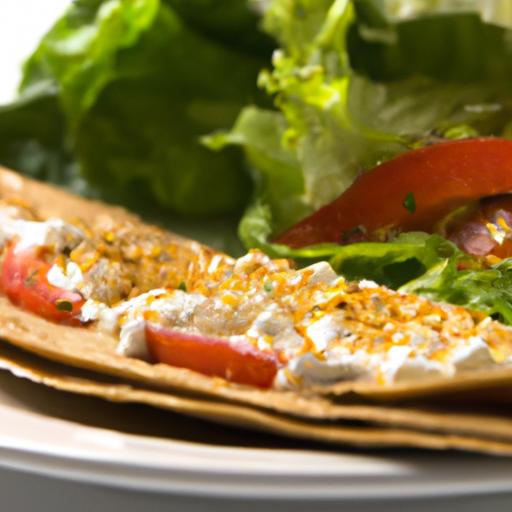

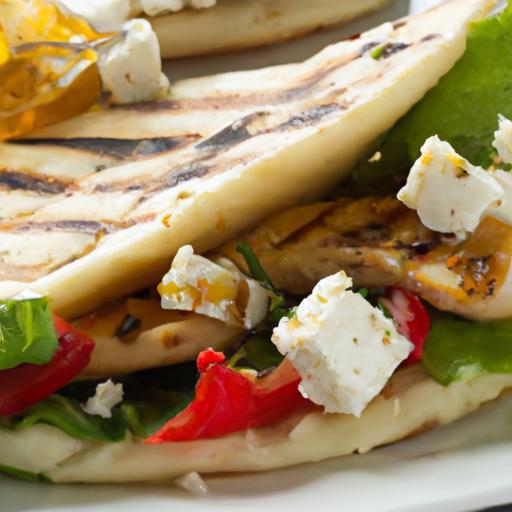
In the vast tapestry of culinary history, few breads have woven themselves so seamlessly into both tradition adn daily life as pita. This humble round, with its signature pocket, is far more than just a vessel for fillings-it is indeed a living relic, a appetizing testament to ancient innovation and cultural exchange. From bustling Middle Eastern markets to modern kitchens worldwide, pita bread unfolds a story rich in flavor, heritage, and timeless appeal. join us as we delve into the origins, craftsmanship, and enduring popularity of this ancient pocket of flavor and tradition.
Pita Bread Unfolded: The Ancient Pocket of Flavor and Tradition
Pita bread unfolded reveals a timeless culinary treasure that has traveled through centuries and cultures,cherished for its unique pocket and soft texture. From the bustling markets of the Mediterranean to modern kitchens worldwide, this flatbread is more than just a staple-it is a canvas of history and flavors. I vividly recall the first time I baked pita at home; the magical puff as it rose in the oven’s heat brought a rush of excitement and a connection to ages of tradition. Today, mastering pita baking unlocks endless possibilities for authentic meals and daring fusion dishes alike.
Prep and Cook Time
- Preparation: 20 minutes
- Rising: 1 hour
- Baking: 5-7 minutes
- Total Time: Approximately 1 hour 30 minutes
Yield
6 medium pita breads (each approximately 6 inches in diameter)
Difficulty Level
Medium – beginner-amiable with attentive steps for perfect pockets.
Ingredients
- 2 cups all-purpose flour, sifted
- 1 cup whole wheat flour (optional for nuttier flavor)
- 1 ½ tsp active dry yeast
- 1 tsp sugar
- 1 tsp salt
- 1 tbsp olive oil, plus extra for brushing
- 1 cup warm water (approximately 110°F/43°C)
Instructions
- Activate the yeast: In a small bowl, whisk together warm water, sugar, and active dry yeast. Let sit for 5-10 minutes until frothy.
- Mix the dry ingredients: In a large mixing bowl, combine all-purpose flour, whole wheat flour (if using), and salt. stir well to evenly distribute the salt.
- Combine wet and dry: Make a well in the flour mixture. Pour the activated yeast mixture and olive oil into the center. Using a wooden spoon or your hands, mix until a rough dough forms.
- Knead the dough: Transfer dough to a floured surface and knead for 8-10 minutes until smooth and elastic. Add flour sparingly if the dough is sticky.
- First rise: Lightly oil a bowl and place the dough inside, covering it with a damp cloth or plastic wrap. Let it rise in a warm, draft-free area for about 1 hour, or until doubled in size.
- Shape the pitas: Punch down the dough gently and divide it into 6 equal pieces. Roll each piece into a smooth ball. On a lightly floured surface, roll balls into 6-inch circles about 1/4 inch thick. Keep covered to prevent drying.
- Preheat the oven: Place a pizza stone or an inverted baking sheet on the middle rack. Preheat the oven to 475°F (245°C) for at least 30 minutes to ensure intense heat.
- Bake the pitas: Using a floured spatula or your hands, transfer one circle onto the hot stone or baking sheet. Bake for about 5 minutes until the pita puffs up and light golden spots appear.
- cool and serve: Remove pitas with tongs and place on a clean kitchen towel to keep soft. Repeat with remaining dough.
Tips for Success
- Perfect puff insight: High oven heat and a thin dough layer are essential for the pocket to form.Avoid rolling dough too thick.
- Flour alternatives: Experiment with bread flour for chewier texture or switch to whole wheat for hearty flavor.
- Make-ahead: dough can be refrigerated overnight in an airtight container to develop deeper flavor. Bring to room temperature before shaping.
- Storage: Pita breads are best eaten fresh but can be frozen. Wrap tightly and thaw at room temp, warming briefly in the oven.
- Oven alternatives: If lacking a pizza stone, a cast iron skillet heated on the stovetop can also crisp your pitas beautifully.
Serving Suggestions to Elevate Your Pita Experience
The soft, pillowy pocket makes pita an ideal vessel for vibrant fillings. For a conventional Greek flair, stuff with grilled lamb, tzatziki, sliced cucumbers, and fresh dill. Embrace Middle Eastern tastes with falafel,tahini drizzle,pickled turnips,and parsley. for the adventurous palate, try roasted beet hummus, spicy harissa carrots, and crumbled feta for a colorful burst.
Garnish with a sprinkle of toasted sesame seeds or sumac powder for added texture and aroma. Serve warm with a side of smoky baba ganoush or fresh tabbouleh to balance tastes and textures invitingly.

Nutritional Details
| Per 1 Pita (Approx.) | Calories | Protein | carbs | Fat |
|---|---|---|---|---|
| 1 medium pita | 165 kcal | 5 g | 32 g | 2 g |
For more about Mediterranean flatbreads, visit our Mediterranean Flatbreads Guide.
Learn more about the rich history of pita from Encyclopedia britannica.
Q&A
Q&A: Pita Bread unfolded: The Ancient Pocket of Flavor and Tradition
Q1: what exactly is pita bread, and why is it frequently enough called a “pocket” bread?
A1: Pita bread is a soft, round flatbread with a unique pocket created by steam during baking. This natural pocket opens up when the bread cools, making it a perfect edible vessel for stuffing with delicious fillings. its name is believed to stem from the greek word pitta, meaning “pie” or “flatbread,” capturing its ancient heritage as a staple food.
Q2: How far back does the history of pita bread go?
A2: Pita bread is truly ancient, with roots tracing back over 4,000 years to the Middle Eastern and Mediterranean regions.Archaeological evidence suggests early civilizations baked simple flatbreads on hot stones or clay ovens-ancestors to today’s pita. It has since woven itself into the cultural and culinary tapestries of countless societies.
Q3: What makes pita bread different from other flatbreads?
A3: Unlike many flatbreads, pita’s defining feature is its pocket, formed from moisture turning into steam and puffing up the dough in high heat. Most flatbreads remain flat and solid; pita’s airy pocket is perfect for holding ingredients without bursting, a functional design born from both necessity and a stroke of culinary genius.
Q4: What ingredients are traditionally used to make pita bread?
A4: Traditionally, pita is made with simple ingredients: flour, water, yeast, salt, and occasionally a bit of olive oil. Its simplicity allows the bread’s flavor to act as the perfect backdrop for bold fillings, while the lean ingredients reflect the resourcefulness of ancient bakers working with what was readily available.
Q5: How is pita bread typically enjoyed around the world?
A5: From Mediterranean mezze to Middle Eastern street food, pita is a culinary chameleon. It’s stuffed with falafel, grilled meats, fresh veggies, or creamy hummus. In some cultures, it’s torn and dipped into rich stews or spreads. Pita’s pocket transforms every meal into a handheld adventure of flavors and textures.
Q6: Can modern cooks replicate traditional pita bread at home?
A6: Absolutely! With a simple dough recipe and a vrey hot oven or cast-iron skillet, home bakers can achieve that signature puff and pocket. The magic lies in the dough’s hydration and the intense heat-mimicking the ancient clay ovens that originally gave pita its rise.
Q7: What cultural meaning does pita bread hold?
A7: beyond nutrition, pita represents communal storytelling and tradition. Sharing stuffed pita is an act of hospitality and connection across the Middle East and Mediterranean. It embodies centuries of history, resilience, and shared culinary joy-making every pocket not just a meal, but a piece of cultural legacy.
Q8: Why does pita bread continue to captivate food lovers today?
A8: Pita’s enduring charm lies in its versatility and simplicity. It’s timeless comfort food that invites creativity-whether in traditional recipes or innovative fusion dishes. Its wholesome texture and handy pocket make it an endlessly appealing canvas for flavor,inviting eaters to unfold a story with every bite.
To Conclude
as we close the pages on the story of pita bread, we uncover more than just a simple pocket of dough – we reveal a living thread woven through millennia of culture, flavor, and tradition. From ancient hearths to modern tables, pita carries with it the whispers of history and the warmth of shared meals. Whether stuffed with humble ingredients or lavish fillings, this timeless bread invites us to savor not only its taste but also the rich tapestry of human connection it embodies. So next time you unfold a pita, remember: you’re holding more than bread – you’re holding a piece of heritage, folded gently within each soft, golden pocket.