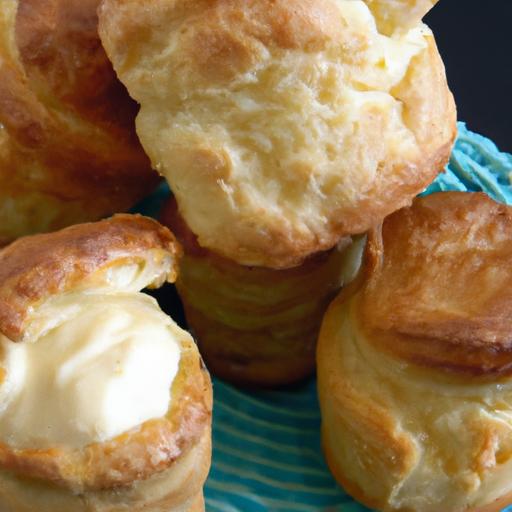

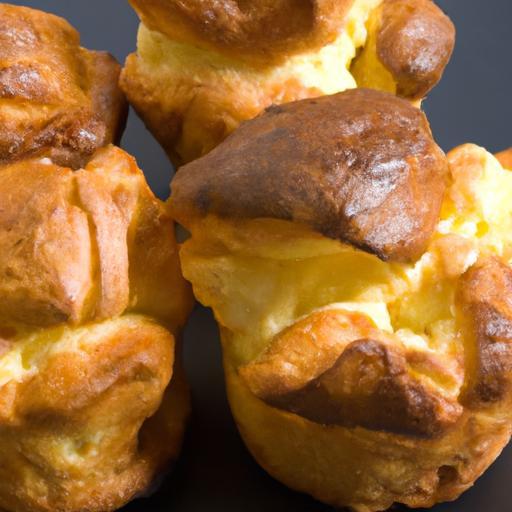
There’s a magical charm in the kitchen when simple ingredients transform into something spectacular-adn few treats embody this alchemy better than the popover. These golden, puffed pastries are more than just a side dish; they are a dance of airy lightness and crisped edges that captivate both the eye and the palate. In “Popovers uncovered: Fluffy Delights with a Crispy Twist,” we delve into the art and science behind these delightful clouds of batter. From their humble origins to expert tips for achieving that perfect rise and crunch, join us as we unlock the secrets behind popovers’ irresistible texture and flavor, inviting you to bring a touch of whimsy and warmth to your table.
Popovers Uncovered: Fluffy Delights with a Crispy Twist begin their culinary journey rooted in simplicity and science. This classic East Coast American treat traces back to 17th-century Yorkshire pudding, evolving into an airy, hollow marvel that never fails to enchant. Their dramatic rise and golden, crisp exteriors are the result of precise technique and a few culinary secrets, making them an irresistible centerpiece whether for breakfast, brunch, or a delightful side.
Prep and Cook Time
- Preparation: 10 minutes
- Cooking: 35 minutes
- total Time: 45 minutes
Yield
- 8 classic popovers
Difficulty Level
- Medium – Requires attention to batter consistency and oven temperature
Ingredients
- 1 cup all-purpose flour, sifted
- 1/2 teaspoon fine sea salt
- 1 cup whole milk, warmed
- 2 large eggs, at room temperature
- 2 tablespoons unsalted butter, melted + extra for greasing
Understanding the Science Behind Perfectly Puffy Popovers
The airy puff and hollow core of popovers come from steam-plasmatically generated once the wet batter meets a blazing hot pan. Using warmed milk and room-temperature eggs ensures a smoother batter that traps air better. The high oven heat causes the moisture to expand rapidly, inflating the batter like a delicate balloon. It’s why preheating the popover pan or muffin tin until smoking hot is essential. A snug, elastic batter prevents collapse when baking, which results from the gluten network formed by properly sifted flour.Together, these scientific principles create that signature dramatic rise and voluminous texture.
Mastering the Art of Achieving crisp Golden Crusts
Achieving that unmistakable crisp crust starts with excellent heat conduction and fat. Brushing each popover cup liberally with melted unsalted butter not only prevents sticking but fosters caramelization at the edges. The hot pan creates an instant sizzle, sealing the batter upon contact. Resist opening the oven door early; this steady high heat ensures the structure sets firmly. For a glossy finish, an optional final brush of butter right as they emerge intensifies flavor and invites a visually stunning golden glow, making each bite a crisp delight.
Essential Tips for Choosing Ingredients That Elevate Flavor
- Flour: Always sift the flour to aerate and prevent clumping. For an extra nutty depth, substitute 1/4 cup with whole wheat pastry flour.
- Milk: Whole milk enriches the crumb, but for creamier indulgence, swap partial milk for half-and-half.
- Eggs: Fresh, room-temperature eggs increase volume and help set structure perfectly.
- Butter: Use high-quality unsalted butter, melted gently to preserve its sweet, creamy profile.
- Salt: A pinch of fine sea salt enhances sweetness and cuts through richness subtly.
Creative Serving Suggestions to Impress Every Palate
Popovers uncovered: Fluffy Delights with a Crispy twist are culinary chameleons-equally splendid with savory or sweet accompaniments. Try slicing and stuffing them with herb-infused scrambled eggs, smoked salmon, and crème fraîche for a complex brunch. For a sweet twist, fill lightly with homemade berry compote and a dollop of whipped cream or drizzle with warm honey and toasted almonds. Garnish with fresh herbs like chives or thyme for savory options or mint and edible flowers for sweets. A side of tangy lemon curd or sharp cheddar elevates these airy marvels to restaurant-quality elegance.
Instructions
- Preheat your oven to 450°F (230°C). Place a popover pan or a standard muffin tin inside to heat while you prepare the batter.
- In a bowl, whisk together sifted flour and salt ensuring they are well combined.
- In a separate jug, beat the eggs lightly. Add warmed milk and melted butter, mixing gently.
- Slowly pour the wet ingredients into the dry while whisking continuously until the batter is smooth and slightly runny-avoid overmixing to keep lightness.
- Carefully remove the hot pan from the oven. Generously brush each cup with melted butter to coat thoroughly.
- Pour batter into each cup, filling about three-quarters full to allow room for rising.
- Return the pan to the oven immediately and bake at 450°F (230°C) for 15 minutes-do not open the door.
- After 15 minutes, reduce the oven temperature to 350°F (175°C) and bake for an additional 20 minutes until tops are golden brown and crisp.
- Remove from oven and brush tops with a little melted butter for extra shine and flavor.
- Allow popovers to cool in the pan for 5 minutes before gently loosening with a knife and serving warm.
Chef’s Notes & Tips for Success
- Make-Ahead Tip: The batter can be mixed and refrigerated up to 2 hours before baking; whisk gently again before pouring into the pan.
- Pan Choice: A dedicated popover pan with vertical sides helps create taller, more uniform shapes.
- Troubleshooting: If popovers flop, ensure the oven is fully preheated and the batter is not too thick. Avoid opening the oven early to keep steam inside.
- Variations: Add finely chopped fresh herbs or grated cheese into the batter for enticing savory versions.
Nutritional Facts
| Nutrient | Per Popover (approx.) |
|---|---|
| Calories | 120 kcal |
| Protein | 5 g |
| Carbohydrates | 14 g |
| Fat | 5 g |
Discover more about baking fundamentals here.
For authoritative insights into the chemistry behind baking, visit the Science Of Cooking.

Q&A
Q&A: Popovers Uncovered – Fluffy Delights with a Crispy Twist
Q1: What exactly is a popover?
A1: Imagine a golden puff of bread that’s part souffle, part Yorkshire pudding, and all whimsy. A popover is a light, hollow roll made from a simple batter of eggs, flour, and milk. When baked in a hot oven, it “pops” up dramatically, creating a crispy shell with an airy, soft interior-hence the name!
Q2: Where did popovers originate?
A2: Popovers have roots in English cuisine, closely related to the Yorkshire pudding. They made their way to America,where they gained popularity as a versatile bread side. The American twist often embraces both sweet and savory variations, making popovers a beloved brunch star.
Q3: What gives popovers their signature rise and texture?
A3: It’s all about steam power and timing! the hot oven creates a burst of steam inside the wet batter, causing it to puff up quickly. This steam expands the air pockets, forming a hollow center, while the exterior crisps to a delicate, crackly shell. The high moisture content and egg structure are critical to this magic.
Q4: How do popovers differ from similar baked goods like Yorkshire pudding or soufflés?
A4: Popovers share DNA with Yorkshire pudding but are traditionally baked in individual, tall pans rather than a large tray. Unlike soufflés, which are frequently enough lightened by whipped egg whites and served immediately, popovers have a denser batter and are enjoyed fresh but can also hold their shape longer. their crisp exterior sets them apart from many fluffier, softer bread options.
Q5: What are some popular ways to enjoy popovers?
A5: Popovers are canvases for creativity! Slathered with butter and jam, drizzled with honey, or filled with savory delights like cheese, herbs, or even scrambled eggs-they adapt beautifully. Served alongside roasts or soups, they soak up juices and sauces, turning every bite into a flavor celebration.
Q6: Any tips for baking the perfect popover?
A6: Absolutely! Use a metal pan-ceramic or glass won’t conduct heat as effectively. Preheat both the oven and the pan so the batter hits a scorching hot surface. Resist the urge to peek early; a sudden draft can cause collapse.lastly, don’t overmix the batter-some lumps are okay to keep the structure light and airy.
Q7: Can popovers be made gluten-free or vegan?
A7: while traditional recipes rely on wheat flour and eggs for structure, adventurous bakers have experimented with gluten-free flours and egg substitutes. The challenge lies in replicating that steam-powered puff, but with a bit of patience and creativity, fluffy and crispy twists can be conquered without conventional ingredients.
Popovers are more than just a side-they’re a theatrical moment at the table,a textural journey,and a blank slate for flavor exploration. Whether you prefer them sweet or savory, soft inside or crisp outside, these fluffed-up delights invite you to enjoy a culinary pop in every bite!
Final Thoughts
As the last crumb of a perfectly puffed popover melts away, one thing is clear: these delicate delights are more than just a bread on the side-they’re a testament to the magic of simple ingredients transformed by technique. From their golden,crispy exteriors to their airy,cloud-like interiors,popovers invite both curiosity and creativity in the kitchen. Whether enjoyed plain, slathered with butter, or paired with your favorite jam, they embody the delightful balance of texture and flavor that keeps home bakers coming back for more. So next time you’re craving something both humble and extraordinary, remember the popover-a crispy twist on fluffy perfection waiting to be uncovered anew.