
Ther’s a certain magic in the kitchen when a pot roast slowly simmers, transforming humble ingredients into a feast of rich flavors and tender textures. More than just a meal, the classic pot roast is a culinary tradition that has warmed family tables and comforted souls for generations.In this article, we’ll unravel the secrets to mastering this timeless dish-exploring the art of selecting the perfect cut, layering aromatic ingredients, and achieving that melt-in-your-mouth tenderness that defines true comfort food. Whether you’re a seasoned cook or a curious beginner, join us on a savory journey to create a pot roast that’s as heartwarming as it is unforgettable.
Mastering the Classic pot Roast begins with understanding the perfect cut of meat that promises both tenderness and flavor. A succulent pot roast is the epitome of comfort food, transforming humble ingredients into a dish that warms the heart and satisfies the soul. choosing the right cut unlocks the full potential of slow cooking, yielding a melt-in-your-mouth experience that will have everyone asking for seconds.
Choosing the Perfect Cut for Tender and Flavorful Pot Roast
For an irresistibly tender pot roast,opt for cuts rich in connective tissue such as chuck roast,bottom round,or brisket. Chuck roast is especially prized for its marbling and texture, which becomes wonderfully soft and juicy after hours of slow simmering. These tougher cuts break down slowly, infusing the meat with a deep, beefy flavor and a silky texture. Avoid lean cuts like sirloin or tenderloin, which don’t withstand long cooking as well and can dry out.
Unlocking the Secrets of Slow Cooking for Maximum Juiciness
Low and slow is the mantra. Slow cooking at a gentle simmer allows the collagen in the meat to dissolve into gelatin, bathing each bite in natural juiciness. Whether you use a heavy Dutch oven, slow cooker, or oven braise, aim for consistent heat around 275-300°F (135-150°C). Patience is key: cooking times vary from 3 to 5 hours based on the cut size, but check for fork-tenderness by gently pulling apart the fibers. Adding aromatics and liquid like beef broth or red wine creates a flavorful braising liquid that doubles as a rich sauce.
Essential Herbs and Spices to Elevate Your Classic Pot Roast
Herbs and spices bring depth and complexity to the pot roast’s cozy profile. Classic choices include fresh rosemary, thyme, and bay leaves, which infuse the meat with aromatic warmth. Whole peppercorns offer a subtle heat that complements the umami-rich beef. Garlic cloves and onion chunks add sweetness and earthiness, balancing the savory notes. experiment with a touch of smoked paprika or a pinch of crushed fennel seeds for a twist that adds intrigue without overpowering tradition.
Guide to Serving and Pairing Your Pot Roast Like a Gourmet Chef
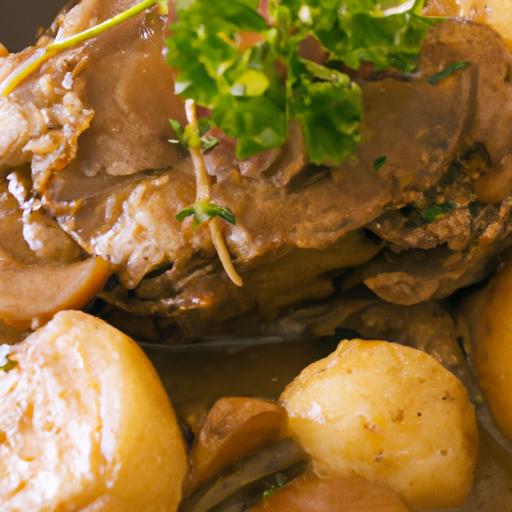
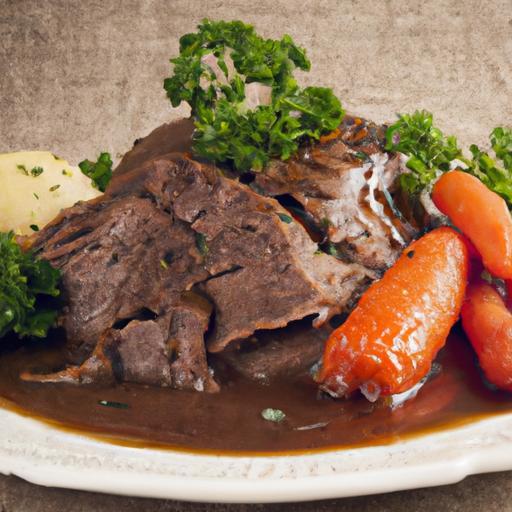
Presentation elevates the humble pot roast from kitchen staple to dining centerpiece. Serve slices of tender beef resting atop a pile of buttery mashed potatoes or creamy polenta to soak up the luscious pan juices. Garnish with freshly chopped parsley or a sprig of thyme for a pop of color. Complement the dish with roasted root vegetables or a crisp green salad to add layers of texture and brightness. A bold red wine such as Cabernet Sauvignon or a velvety Malbec pairs beautifully, enhancing the richness of the meat.
Prep and Cook Time
- Preparation: 20 minutes
- Cooking: 3 to 4.5 hours (slow simmer or oven braise)
Yield
- Serves 6 generous portions
Difficulty Level
- Medium – requires slow cooking and attentive seasoning
Ingredients
- 3 to 4 lb chuck roast, trimmed of excess fat
- 2 tbsp olive oil
- 1 large onion, coarsely chopped
- 4 garlic cloves, smashed
- 3 large carrots, peeled and cut into chunks
- 2 celery stalks, cut into pieces
- 2 cups beef broth (preferably homemade or low sodium)
- 1 cup dry red wine (optional but recommended)
- 3 sprigs fresh rosemary
- 4 sprigs fresh thyme
- 2 bay leaves
- 1 tsp whole black peppercorns
- Salt and freshly ground black pepper, to taste
- 2 tbsp all-purpose flour, for optional gravy
Instructions
- Season the beef generously with salt and pepper on all sides. Pat dry with paper towels for a better sear.
- Heat olive oil in a large Dutch oven over medium-high heat. When shimmering, add the chuck roast and brown on all sides, about 4-5 minutes per side. Sauté until golden brown, stirring occasionally to prevent sticking.
- Remove the roast and set aside. Add onion, garlic, carrots, and celery to the pot. Cook for 5 minutes until softened and aromatic.
- Pour in red wine, scraping up browned bits from the bottom (deglazing). Let reduce by half, about 3-4 minutes.
- Add beef broth, herbs, and peppercorns. Return the roast to the pot, ensuring it’s partially submerged but not floating.
- Bring to a simmer, then cover with a tight-fitting lid and transfer to a preheated 300°F oven or reduce heat to low on stove.Slow cook for 3 to 4 hours until meat is fork-tender.
- Remove roast and tent with foil to rest. Strain vegetables and herbs from liquid, reserving the cooking liquid.
- Optional: For gravy, whisk 2 tbsp flour into 1/4 cup cold water until smooth. Bring cooking liquid to simmer, whisk in slurry. cook until thickened, about 3 minutes.
- Slice the roast against the grain, serve with vegetables and drizzle with rich gravy.
Chef’s Notes: tips for Success
- make ahead: Pot roast tastes even better cooled overnight-flavors deepen. Reheat gently to avoid drying.
- Substitutions: If chuck is unavailable,brisket or bottom round work well but may require adjusted cooking times.
- Vegetable variations: Add parsnips,turnips,or pearl onions for seasonal twists.
- Slow cooker method: Brown meat and sauté veggies on stove,then transfer everything to a slow cooker and cook on low for 6-8 hours.
- Don’t rush the rest: Allowing the roast to rest locks in juices and makes slicing easier.
Serving Suggestions
Serve your pot roast elegantly plated atop a bed of creamy mashed potatoes or buttery polenta. Surround with roasted carrots and parsnips for natural sweetness and texture. Garnish with a sprig of thyme or parsley for fresh color and simmered pan juices or gravy to finish. Pair with a robust red wine like a Cabernet Sauvignon recommended by Wine Enthusiast to elevate the dining experience to gourmet heights.

| nutritional Info | Per Serving |
|---|---|
| Calories | 420 kcal |
| Protein | 38 g |
| Carbohydrates | 12 g |
| Fat | 22 g |
Looking to expand your comfort food repertoire? Check out our slow cooker beef stew recipe for more hearty, flavorful dishes perfect for any season.
Q&A
Q&A: Mastering the Classic Pot roast – Your Timeless Comfort Dish guide
Q1: What makes the classic pot roast such a beloved comfort dish?
A1: The classic pot roast is the culinary embodiment of warmth and nostalgia. Tender, slow-cooked beef melded with rich broth and aromatic vegetables creates a symphony of flavors that feels like a hug on a plate. Its ability to bring people together around the table makes it timeless.
Q2: Which cut of beef is best for a pot roast, and why?
A2: The magic happens with tougher, well-marbled cuts like chuck roast or brisket. These cuts have connective tissue that transforms into meltingly soft gelatin during slow cooking, yielding tender meat packed with flavor.
Q3: How critically important is the browning step before slow cooking?
A3: Browning is essential-it’s where flavor depth is born.Searing the meat until it’s golden caramelized locks in juices and develops complex, savory notes through the Maillard reaction.Skipping this step is like silencing the orchestra before the symphony begins.
Q4: What are the classic vegetables to include, and can you get creative?
A4: Customary veggies-carrots, onions, celery, and potatoes-play the perfect supporting role, absorbing the savory broth. But creativity is encouraged! Try adding parsnips, rutabagas, or mushrooms to add new layers of texture and taste.
Q5: How long should you cook a pot roast for optimal tenderness?
A5: Patience is a pot roast’s best friend.Typically, cooking low and slow for 3 to 4 hours at around 300°F (150°C) allows collagen in the meat to break down fully, resulting in luscious tenderness. Alternatively, a slow cooker on low for 8 hours works wonders.
Q6: Can you suggest a secret ingredient or technique to elevate the dish?
A6: A splash of red wine or a spoonful of tomato paste added to the braising liquid deepens the flavor profile beautifully. Additionally, finishing the cooking liquid into a silky gravy by reducing it and adding a butter slurry adds that extra touch of comfort.
Q7: how should a pot roast be served to highlight its best qualities?
A7: Serve your pot roast sliced thick with a generous ladle of its luscious braising juices. Complement it with rustic mashed potatoes or buttery noodles to soak up every drop. Garnish with fresh parsley for a pop of color and freshness.
Q8: Any tips for leftovers?
A8: Reheat gently with a bit of broth to maintain moisture,or transform leftovers into hearty sandwiches or savory pies. Pot roast’s flavors deepen over time, so the next day’s meal can be just as delightful, if not more so!
Q9: Is pot roast adaptable for modern dietary preferences?
A9: Absolutely! Swap traditional beef for a plant-based roast or use bone broth for extra nutrients. Experiment with gluten-free thickeners for the gravy or load up on seasonal veggies to tailor this classic to your lifestyle without sacrificing comfort.
Q10: Why should every home cook master the classic pot roast?
A10: Because it’s more than a meal-it’s a culinary ritual that celebrates patience, tradition, and hearty goodness.Mastering pot roast equips you with a go-to recipe that nourishes body and soul, perfect for cozy nights and memorable gatherings.
Key Takeaways
As the tantalizing aroma of a perfectly cooked pot roast fills your kitchen, you’ve not only crafted a meal but embraced a tradition that spans generations. Mastering this timeless comfort dish is more than following a recipe-it’s an invitation to slow down, savor the process, and celebrate the simple joys of home-cooked goodness. Whether shared around a bustling family table or enjoyed in quite reflection, the classic pot roast remains a steadfast symbol of warmth and nourishment. Now, armed with these tips and techniques, your journey to pot roast mastery is just beginning-may every bite bring comfort, connection, and a touch of culinary magic.