

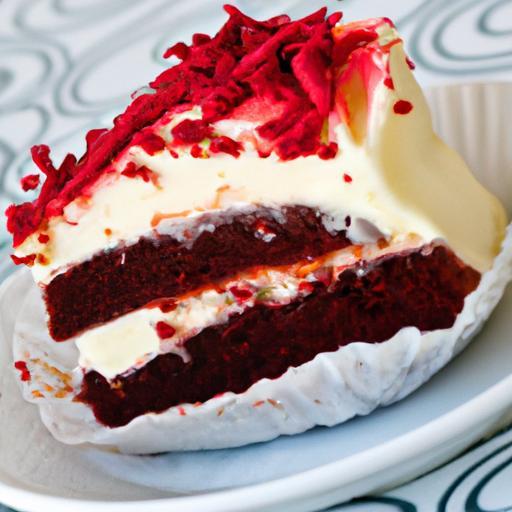
There’s a certain magic woven into the rich, crimson layers of red velvet cake-a dessert that has captured hearts and taste buds alike with its velvety texture and striking hue. But beyond its captivating appearance and decadent flavor lies a interesting history that dates back centuries, blending culinary innovation with cultural twists. In “Red Velvet Unwrapped: The Story Behind the Velvet Cake Delight,” we embark on a journey through time and taste,unwrapping the origins,evolution,and enduring charm of this iconic cake. From humble beginnings to modern-day celebrations, discover how red velvet transcended the ordinary to become a beloved symbol of indulgence and elegance in the world of desserts.
Origins and evolution of Red Velvet Cake
Red velvet cake has captured hearts and taste buds worldwide, and its rich history is as enticing as its vibrant hue. Red velvet unwrapped reveals a story woven through Southern American kitchens, Harlem’s famed Waldorf-Astoria, and even the rationing of World War II.Originally, the cake’s striking red tone came from the natural reaction between acidic ingredients like buttermilk and cocoa powder, giving it a subtle chocolate-cocoa flavor that sets it apart from conventional chocolate cakes. Through decades, bakers experimented-adding red food coloring to amplify the signature scarlet, and pairing the cake with luscious cream cheese frosting, which has since become inseparable from this dessert’s identity.
The texture, a dreamy tender crumb that almost melts like velvet, owes its origin to the careful balance of ingredients. The result is a cake both nostalgic and modern-perfect for celebrations or an indulgent treat. Embracing this heritage, the recipe blends tradition with innovation, perfect for home bakers seeking that perfect slice of velvet bliss.
the Signature Ingredients That Create its Unique Texture and Flavor
At the heart of red velvet cake lies a harmony of key ingredients that lend it the characteristic softness, moistness, and flavor depth. Cocoa powder provides a gentle chocolate undertone, while buttermilk adds tanginess and acidity essential for reacting with baking soda, creating lift and tenderizing the crumb. The subtle addition of white vinegar amplifies this reaction, enhancing the cake’s rise and adding complexity without overpowering the taste.
Cream cheese
Baking Tips for Achieving the Perfect Moist and Velvety Crumb
Mastering the perfect red velvet crumb is a rewarding challenge. To ensure a moist and airy texture,start by using room-temperature ingredients,which blend more seamlessly and trap air during mixing. When folding dry ingredients, do so gently to avoid overworking the batter-overmixing develops gluten, resulting in a denser crumb.
For consistent moisture, buttermilk is non-negotiable. If unavailable, you can create a substitute with milk and lemon juice or white vinegar. Bake at a moderate temperature (around 350°F/175°C) to avoid drying out the cake while allowing it to rise steadily. Always test doneness with a toothpick inserted in the center; a few moist crumbs are perfect!
cool the layers fully before frosting to prevent melting or sliding. Wrapping layers in plastic wrap and chilling them overnight enhances slicing precision-a pro tip for professional-looking cakes.
Creative Twists and Pairings to Elevate Yoru Red Velvet Experience
While the classic remains a crowd favorite, there’s plenty of room for creativity with red velvet cake. Consider incorporating orange zest or spices like cinnamon or cardamom into the batter for a warm,aromatic twist. Swapping traditional cream cheese frosting with a whipped mascarpone glaze or a velvety chocolate ganache brings new textures and tastes to the table.
For pairing, serve this delight alongside fresh berries, a scoop of vanilla bean ice cream, or even a drizzle of salted caramel sauce for a sweet-salty dance on your palate. Garnish with edible flowers, toasted pecans, or delicate chocolate curls to turn each slice into a masterpiece.
Prep and Cook Time
- Prep: 30 minutes
- bake: 25-30 minutes
- Cool and assemble: 45 minutes
Yield
Serves 12 generous slices
Difficulty Level
medium – approachable for bakers with some experience
Ingredients
- 2 ½ cups all-purpose flour,sifted
- 1 ½ cups granulated sugar
- 1 teaspoon baking soda
- 1 teaspoon fine salt
- 1 teaspoon cocoa powder,unsweetened
- 1 ½ cups buttermilk,room temperature
- 2 large eggs,room temperature
- ½ cup vegetable oil
- 1 tablespoon white vinegar
- 2 teaspoons pure vanilla extract
- 2 tablespoons red food coloring (liquid or gel)
Instructions
- Preheat oven to 350°F (175°C). Grease and flour two 9-inch round cake pans or line with parchment paper for easy removal.
- In a large bowl, whisk together flour, sugar, baking soda, salt, and cocoa powder until evenly combined.
- In a separate bowl, blend buttermilk, eggs, vegetable oil, vinegar, vanilla extract, and red food coloring thoroughly until smooth and vibrant.
- Gradually pour the wet ingredients into the dry, folding gently with a spatula just until no streaks remain. Avoid overmixing to keep the crumb tender.
- Divide batter evenly between pans, smoothing tops with a spatula for even layers.
- Bake for 25 to 30 minutes, or until a toothpick inserted at the center comes out with moist crumbs, not wet batter.
- Allow cakes to cool in pans for 10 minutes, then invert onto wire racks and cool wholly before frosting.
- Once cooled, frost with your favorite cream cheese frosting, layering and crumb-coating for a polished finish.
Chef’s Notes & Tips for Success
- Substitute for buttermilk: use 1 ½ cups milk mixed with 1 ½ tablespoons white vinegar or lemon juice; let sit 5 minutes before use.
- Food coloring alternatives: If you prefer natural color, beet juice powder or pureed beets add earthy sweetness alongside color.
- Make ahead: Red velvet layers can be baked 2 days in advance, wrapped tightly and refrigerated to intensify flavor.
- Prevent dry crumb: Avoid overbaking; ovens vary-start checking at 25 minutes.
- Frosting tips: Chill cream cheese frosting for 30 minutes before spreading for easier application and smoother finish.
Serving Suggestions
This cake shines best when served chilled or at room temperature. For stunning presentation, use a serrated knife chilled in warm water to slice clean layers. Garnish with fresh raspberries, mint leaves, or a dusting of cocoa powder for color contrast. Pair with a robust cup of dark coffee or a glass of chilled milk to enhance the velvety richness with every bite.

Nutritional Information per Serving
| Calories | Protein | Carbohydrates | Fat |
|---|---|---|---|
| 380 kcal | 5 g | 52 g | 17 g |
For deeper culinary insights into classic American cakes, check our Southern Classics cakes Guide.For more about the chemistry of baking powders and acids, visit King Arthur Baking’s official guide.
Q&A
Q&A: red velvet Unwrapped – The Story Behind the Velvet Cake Delight
Q1: What is Red Velvet cake, and what makes it so unique?
A1: Red Velvet cake is a visually striking dessert known for its deep red hue and tender, velvety crumb. What sets it apart is the harmonious blend of rich cocoa, tangy buttermilk, and a subtle acidity, which together create a cake that’s neither too chocolatey nor too sweet. The smooth cream cheese frosting adds a luscious finish, making it a truly indulgent experience.
Q2: How did Red Velvet cake get its signature red color?
A2: The signature red color originally came from a chemical reaction between natural cocoa powder and acidic ingredients like buttermilk and vinegar. In earlier recipes,the cocoa powder contained anthocyanins,pigments that turned reddish when exposed to acid. In modern versions, though, bakers frequently enough add red food coloring to achieve the vibrant shade we associate with Red Velvet cake today.
Q3: Where and when did red velvet cake originate?
A3: The origins of Red Velvet cake trace back to the early 20th century in the United States, especially in the South and Northeast. The cake gained popularity during the Great Depression,partly as its rich ingredients presented an affordable luxury. Famous hotels like New York’s Waldorf-Astoria helped popularize the dessert,adding to its mystique and allure.
Q4: Why is it called “Velvet”?
A4: the term “velvet” refers to the cake’s tender, smooth texture – a soft crumb that melts in your mouth, unlike heavier chocolate cakes. The name captures the cake’s elegant, luxurious mouthfeel, which was especially prized in early 1900s baking as a sign of refinement and quality.
Q5: Is Red Velvet cake truly chocolate cake?
A5: Technically yes and no. Red Velvet contains cocoa powder and has a subtle chocolate flavor,but it’s much milder than a typical chocolate cake. The focus is more on the balance of flavors and the overall softness, rather than on intense chocolate richness.
Q6: How has Red Velvet cake evolved over time?
A6: While the classic Red Velvet cake remains a beloved standard,bakers have embraced creative variations,from Red Velvet cupcakes and pancakes to Red Velvet-inspired desserts like cheesecakes and lattes. Some modern recipes experiment with natural colorings like beet juice or incorporate different spices for a unique twist.
Q7: What cultural significance does Red Velvet cake hold today?
A7: beyond its delicious taste, Red Velvet cake has become a symbol of celebration and Southern hospitality in the U.S. It often features at weddings, holidays, and special occasions. Its unmistakable color and decadent flavor have helped it secure a lasting place in popular culture, from TV shows to iconic bakery menus worldwide.Q8: How can one best enjoy Red Velvet cake?
A8: To savor Red Velvet cake at its finest, pair it with a cup of bold coffee or a glass of cold milk. The cake’s velvety texture and tangy cream cheese frosting create a perfect balance of flavors that delight the palate with every bite. Whether enjoyed as a slice or a cupcake, it invites slow, appreciative indulgence.
By peeling back the layers of red Velvet cake’s history and ingredients, we uncover not just a dessert, but a story of chemistry, culture, and culinary creativity – a true velvet delight that continues to enchant taste buds around the world.
To Conclude
From its rich, crimson layers to the velvety crumb that melts effortlessly on the tongue, red velvet cake is more than just a dessert – it is a tapestry woven with history, culture, and a dash of mystery. As we unwrapped the story behind this beloved delight, we discovered how tradition and innovation have blended to create a cake that captivates both the eyes and the palate. Whether enjoyed at a festive gathering or savored in quiet moments,red velvet remains a timeless symbol of indulgence and celebration. So next time you linger over a slice, remember: you’re tasting a slice of history, wrapped in velvet and sprinkled with a hint of magic.