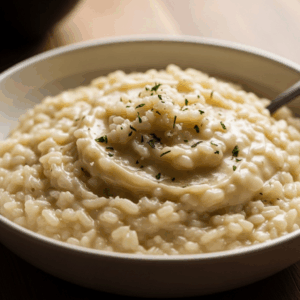

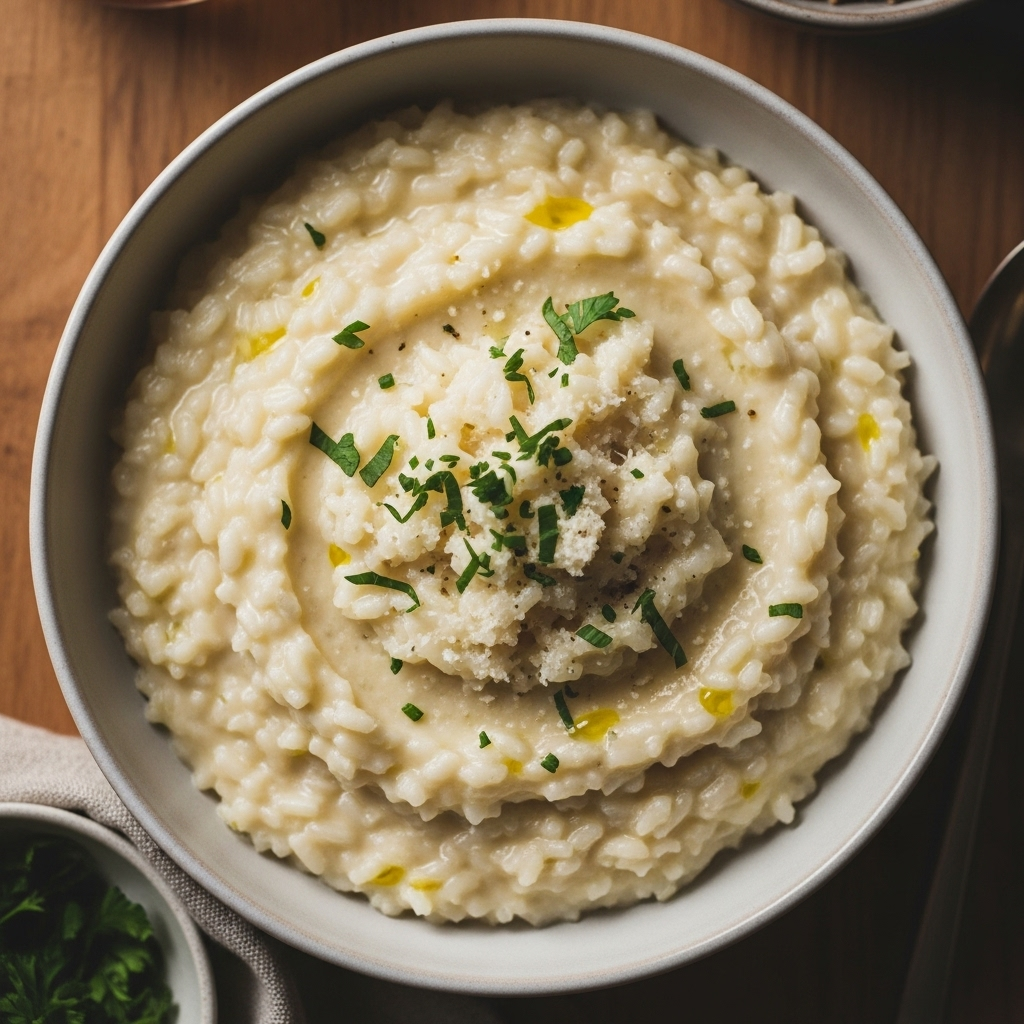
Ther’s a reason risotto has enchanted food lovers for centuries: its luscious, velvety texture and rich, comforting flavors create an experience that’s nothing short of culinary magic. Yet, achieving that signature creamy perfection can be elusive, leaving many home cooks wondering how chefs get it just right every time. In this article, we peel back the curtain on risotto’s timeless secrets-from selecting the ideal rice to mastering the art of gradual liquid absorption-revealing the techniques that transform humble grains into a silky masterpiece. Prepare to elevate your kitchen skills and unlock the true essence of this Italian classic, one stirring spoonful at a time.
Risotto Revealed: Secrets to Creamy Perfection Unveiled
Risotto revealed is not merely a recipe but a gateway to experiencing the luxurious creaminess that defines this iconic Italian dish. Rooted in the northern regions of Italy,risotto boasts a rich history where patience and precision transform humble rice into an indulgent symphony of texture and flavour. Whether you’re recreating a cherished family tradition or embracing a new culinary adventure, mastering this dish hinges on understanding each element-from rice variety to broth temperature-that shapes its silken consistency.
Prep and Cook Time
- Readiness: 15 minutes
- Cooking: 30-35 minutes
- Total Time: 45-50 minutes
Yield
- Serves 4 generously
Difficulty Level
- Medium – requires attentive stirring and temperature control
Ingredients
- 1 ½ cups Arborio rice (short-grain Italian rice known for its high starch content)
- 5 cups homemade or low-sodium chicken broth, kept warm
- 2 tablespoons unsalted butter
- 1 small onion, finely chopped
- 3 cloves garlic, minced
- ½ cup dry white wine (optional; enhances depth)
- 1 cup freshly grated Parmesan cheese
- salt and freshly ground black pepper, to taste
- 2 tablespoons olive oil
- Fresh parsley or chives, finely chopped (for garnish)
Instructions
- Warm the Broth: Keep the chicken broth simmering gently on the stove. Consistent temperature is key to coaxing the starches out of the rice while preventing it from cooling the cooking process.
- Sauté Aromatics: In a heavy-bottomed pan, heat olive oil and 1 tablespoon butter over medium-low heat. Add finely chopped onion and stir until translucent and soft, about 5 minutes.Stir in minced garlic and cook for an additional 1 minute.
- Toast the Rice: Add Arborio rice to the pan, stirring constantly to coat grains in the butter and oil. Toast until the edges become translucent, about 2-3 minutes. This step seals the rice to hold its shape while allowing creamy release.
- Deglaze with Wine: Pour in white wine and stir until fully absorbed. The acidity brightens the dish and balances richness.
- Add Broth Gradually: Begin ladling warm broth one scoop at a time into the rice. Stir gently and continuously,allowing each addition to absorb before adding the next. This slow process releases the rice’s natural starches,creating a luscious,velvety texture.
- Maintain Heat and Stirring: keep the mixture at a gentle simmer. Frequent stirring prevents sticking and promotes creaminess but avoid over-agitation which can break down grains too much.
- Check for Doneness: After about 18-20 minutes, taste the rice.it should be al dente-tender yet firm to the bite-and the texture creamy but not soupy.
- Finish With Butter and Cheese: Remove the pan from heat. Stir in remaining butter and Parmesan cheese vigorously to emulsify and enrich the risotto. Season with salt and pepper to taste.
- Rest Briefly: Cover and let rest for 2 minutes. This resting period lets flavors meld and thickens the risotto beautifully.
- Serve Promptly: Spoon into warm bowls and garnish with fresh parsley or chives for a bright contrast and visual appeal.
Tips for Success
- Rice variety Matters: Opt for Arborio, Carnaroli, or Vialone Nano rice. These varieties pack the perfect starch content essential for risotto’s signature creaminess. Long-grain rice lacks this quality and won’t yield the ideal texture.
- Perfect Broth Temperature: Always keep broth hot but not boiling. Introducing cold broth stops cooking and disturbs the starch release, while too hot broth can scorch the rice.
- Master the Stir: Stirring should be gentle and consistent-enough to keep the rice from sticking but not so vigorous it breaks the grains down.
- Control Liquid Amounts: Adding broth too quickly leads to watery or undercooked rice; adding too slowly converts the starch prematurely, resulting in a gluey risotto.
- Make-Ahead Advice: Risotto is best served fresh but can be cooled and refrigerated for up to 2 days. Reheat gently with a splash of broth or water, stirring constantly for restored creaminess.
Serving Suggestions
Present your risotto revealed masterpiece in shallow bowls to showcase the creamy texture. Drizzle with a finishing touch of extra virgin olive oil for sheen, and scatter vibrant herbs like parsley or chives for fresh color.Pair with a crisp white wine such as Pinot Grigio or Sauvignon Blanc to complement the dish’s richness. For a heartier meal, top with sautéed mushrooms, seared scallops, or a sprinkle of toasted pine nuts to add texture and depth.

| Nutrient | Per Serving |
|---|---|
| Calories | 420 kcal |
| Protein | 12 g |
| Carbohydrates | 58 g |
| Fat | 11 g |
For a deeper dive into Italian rice varieties and expert risotto techniques, check out our Italian Rice Varieties Guide. Also, explore the official Accademia Italiana della Cucina for authoritative insights on risotto traditions.
Q&A
Q&A: Risotto Revealed – Secrets to Creamy Perfection Unveiled
Q1: What exactly is risotto, and why is it considered an art form in Italian cuisine?
A: Risotto is a classic northern Italian dish made by slowly cooking arborio or Carnaroli rice in broth until it reaches a luscious, creamy consistency. It’s considered an art because it requires patience, attention, and technique-each stir and ladle of broth coaxing out the rice’s natural starches to create that coveted velvety texture. Mastering risotto means balancing flavor, texture, and timing in perfect harmony.
Q2: What’s the secret to achieving that signature creamy texture without adding cream?
A: The magic lies in the rice itself and the cooking method. Italian risotto rice varieties have a high starch content; as you slowly add warm broth and stir continuously, the starch is released, enveloping the grains in a silky sauce. the key is gentle, consistent stirring and gradually introducing the liquid-this coaxing draws out the creamy essence naturally, no heavy cream needed.
Q3: Can you explain the importance of broth in risotto?
A: Broth is the flavor backbone of risotto. Using a well-made, warm broth-whether vegetable, chicken, or seafood-infuses the rice with depth and richness from the inside out. It’s vital to keep the broth warm; adding cold broth shocks the cooking process and slows the starch release,compromising that velvety finish.
Q4: Is it true that toasting the rice is an important step? What does it do?
A: Absolutely! Toasting the rice briefly in butter or olive oil, known as “tostatura,” coats each grain, helping it maintain a pleasant al dente bite while enhancing its nutty flavor. This step also primes the rice for even absorption of the broth and starch release, setting the foundation for creamy perfection.
Q5: How do you know when your risotto is perfectly cooked?
A: Perfect risotto should be “al dente” – tender yet slightly firm to the bite, with a creamy, slightly flowing consistency that spreads gently on the plate. Resist the urge to overcook! Just before serving, the risotto should be stirred in butter and grated Parmesan, creating a glossy finish called “mantecatura” that seals its silky character.Q6: Can risotto be made in advance and reheated?
A: Risotto is best enjoyed fresh as its creamy texture won’t hold well after sitting. Though, if you must prepare it ahead, keep it slightly undercooked and reheat gently with a splash of broth or water, stirring to restore creaminess. Just remember, nothing beats risotto straight off the stovetop, still warm and steaming.
Q7: what are some creative twists you can add to risotto while keeping the classics intact?
A: risotto is a blank canvas! You can brighten it with fresh herbs, stir in seasonal vegetables, fold in exotic mushrooms, or finish with a squeeze of citrus for zing. Experimenting with different broths or adding touches of saffron, truffle oil, or roasted nuts can elevate the experience-while the core technique remains your secret weapon.
Q8: any final tips for risotto rookies aiming for creamy success?
A: Patience is your best ingredient-add broth slowly and stir frequently enough, but gently. Use quality rice and broth, keep everything warm, and trust your instincts with texture.Remember, risotto is about loving the process as much as the result – each stirring motion brings you closer to creamy perfection. Enjoy the journey and savor every spoonful!
Wrapping Up
As the final grains of arborio settle onto your plate, you’ll find that mastering risotto is less about rigid rules and more about embracing a patient, loving rhythm in the kitchen. With each stirring spoonful, you unlock layers of flavor and texture, transforming humble ingredients into a velvety symphony of taste. now that the secrets to creamy perfection have been unveiled, your next risotto adventure awaits-ready to delight, comfort, and inspire. So gather your pan, your broth, and your curiosity; the art of risotto is yours to savor, one luscious bite at a time.