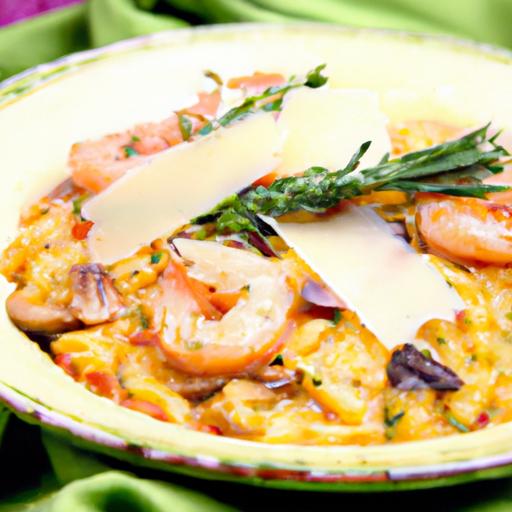

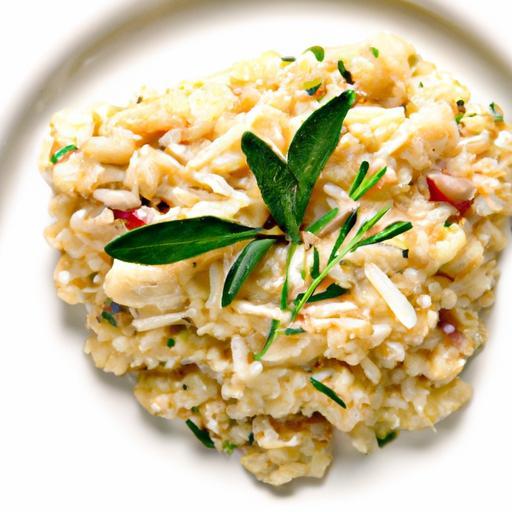
Ther’s something undeniably enchanting about a bowl of risotto – its creamy texture, the rich aroma of simmered broth, adn the subtle dance of flavors with every spoonful. Yet, for many home cooks, achieving that silky, luscious consistency can feel like an elusive culinary quest. “Risotto Revealed: Secrets to Creamy, Perfect Italian Comfort” invites you behind the scenes of this beloved Italian classic, unraveling the time-honored techniques and insider tips that transform simple grains of rice into a soul-warming masterpiece. Whether you’re a seasoned foodie or a kitchen novice, this guide promises to elevate your risotto game and bring a slice of authentic Italian comfort right to your table.
Risotto Revealed: Secrets to Creamy, Perfect Italian Comfort
If you’ve ever wondered what truly transforms plain rice into a luxuriously creamy dish, risotto revealed holds the answer through its intimate dance of technique and ingredient harmony. Originating from Northern Italy’s Veneto region, risotto carries centuries of tradition in every spoonful-a perfect balance of earthy Arborio rice, slow-simmered broth, and the magic of butter and cheese. As a seasoned culinary content creator and food stylist, I’m excited to guide you through the artistry behind risotto’s silkiness and flavor depth, turning your kitchen into a trattoria of Italian comfort.
Prep and Cook Time
- Planning: 10 minutes
- Cooking: 35 minutes
- Total Time: 45 minutes
Yield
- Serves 4 generous portions
Difficulty Level
- Medium – requires attention but simple to master
Ingredients
- 1 ½ cups Arborio rice (short-grain, high-starch, ideal for risotto)
- 5 cups low-sodium chicken or vegetable broth (kept warm)
- 3 tbsp unsalted butter (divided)
- 2 tbsp extra virgin olive oil
- 1 small yellow onion, finely chopped
- 2 cloves garlic, minced
- ½ cup dry white wine
- ¾ cup freshly grated Parmigiano-Reggiano cheese
- Salt and freshly ground black pepper, to taste
- Fresh parsley or chives, finely chopped (for garnish)
Instructions
- Warm the broth: In a medium saucepan, keep your choice of broth gently simmering over low heat throughout the entire process to maintain consistent temperature.
- Sauté aromatics: In a large, heavy-bottomed skillet or Dutch oven, heat 1 tablespoon olive oil and 1 tablespoon butter over medium heat. Add the finely chopped onion and sauté until translucent and tender, about 4 minutes. Stir in the garlic and cook for an additional 30 seconds to release fragrance without browning.
- Toast the rice: Add the Arborio rice to the pan. Stir continuously, allowing each grain to shimmer and absorb the fat. Toast the rice until edges become translucent but the core remains opaque, approximately 2-3 minutes.This step unlocks nutty aromas and enhances the final flavor.
- Deglaze with wine: Pour in the dry white wine and stir until its nearly evaporated, about 2 minutes. This intensifies complexity and freshness in the dish.
- The gradual pour technique begins: Add one ladle (about ½ cup) of warm broth to the rice, stirring gently but consistently. Let the rice absorb the liquid before adding the next ladle.This patient process-taking approximately 18-22 minutes-encourages rice to release its creamy starch without becoming mushy. Keep the heat at medium-low to avoid boiling.
- Check texture and seasoning: When the rice is al dente-soft but with a slight bite-and the mixture is luxuriously creamy, remove from heat.
- Finish with butter and cheese: stir in the remaining 2 tablespoons of butter and freshly grated Parmigiano-Reggiano cheese.This final emulsion stage enhances silkiness and adds that quintessential comfort you crave.
- Adjust and serve: Taste and season with salt and pepper as needed. Let rest for 1-2 minutes, then plate with a sprinkle of fresh herbs and an optional dusting of extra cheese for visual appeal and flavor uplift.
Tips for Success
- Opt for Arborio rice or similar varieties like Carnaroli or vialone Nano-they provide the perfect starch structure for creaminess.
- Keep broth warm to ensure even cooking. Cold broth slows the process and can shock the rice.
- Maintain a gentle but consistent stir to coax out the starch without breaking grains.
- Customize your risotto by adding sautéed mushrooms, peas, or saffron during the final minutes for added aroma and color.
- If you need to pause, remove your risotto from heat and cover with a lid; it will continue cooking slightly in its residual heat.
- Make-ahead tip: Prepare risotto up to 80% cooked, cool quickly, then reheat gently with a splash of broth or water, stirring until creamy again.
Serving Suggestions
Risotto is a notable standalone dish, but for a complete Italian experience, serve alongside a crisp green salad dressed with lemon and olive oil or roasted seasonal vegetables. Garnish each plate with a thin shaving of Parmigiano-Reggiano and a scattering of fresh herbs like basil or chives for that fresh, vibrant lift.Pair with a chilled glass of Pinot Grigio or your preferred crisp white wine to complement the dish’s richness.

| Nutrient | per Serving |
|---|---|
| calories | 420 kcal |
| Protein | 11 g |
| Carbohydrates | 57 g |
| Fat | 14 g |
For more on Italian cooking techniques and authentic recipes, explore our Italian Cooking Basics guide. To deepen your understanding of Arborio rice varieties, visit Rice Info: Arborio Rice.
Q&A
Q&A: Risotto Revealed – Secrets to Creamy, Perfect Italian Comfort
Q1: What makes risotto truly creamy and different from other rice dishes?
A1: The magic lies in both the rice and the technique. Arborio, Carnaroli, or vialone Nano rice varieties release starch as they cook, creating that signature creamy texture. But the key is patient, gradual cooking-slowly ladling warm broth into the rice while stirring constantly coaxes out the starch, turning simple grains into a velvety masterpiece.
Q2: Can I use any type of rice for risotto?
A2: Not quite. Risotto rice is short-grain and high in amylopectin starch, which is essential for creaminess. long-grain rice like basmati or jasmine lacks the starch content and results in a less tender, less cohesive dish.Stick to Italian risotto rice for that authentic, luscious finish.
Q3: Why is the stirring process so crucial in making risotto?
A3: Stirring is the heart of risotto-making.It helps release starch evenly and prevents the rice from sticking and burning on the pan.Plus, the rhythmic stirring allows the rice to absorb broth gradually, resulting in a creamy bite that’s tender yet toothsome, essential for that comforting italian texture.
Q4: is it necessary to use wine in risotto?
A4: While not mandatory, wine adds a subtle acidity and depth of flavor that balances the richness of the dish. Traditionally, dry white wine is deglazed with the sautéed rice before adding broth, imparting brightness and complexity. If you prefer to skip it, just replace with a bit of extra broth or a splash of lemon juice to mimic the tang.
Q5: What’s the secret to perfectly al dente risotto?
A5: Timing and tasting are your best friends. Start by boiling the broth and ladling it in warm, one scoop at a time. Keep stirring and tasting after about 15 minutes. The ideal risotto is creamy but the grains still offer a slight resistance at their core-soft on the outside, with a subtle bite in the center.
Q6: can risotto be made in advance or reheated?
A6: risotto shines best fresh, straight off the stove-its signature creaminess tends to firm up when cooled. If you must prepare ahead, undercook the rice slightly and reheat gently with a splash of broth or water, stirring to revive its silky texture.For best results, enjoy this Italian comfort food piping hot.
Q7: How can I personalize my risotto while keeping that classic creaminess?
A7: The canvas is your kitchen! From earthy mushrooms, sweet peas, and saffron threads to rich seafood or tangy goat cheese, risotto welcomes a world of flavors. The trick is adding ingredients at the right stage-some fold in near the end to preserve freshness, others sautéed early to deepen flavor-always ensuring the creamy, luscious texture remains king.
Q8: What mistakes should I avoid when making risotto?
A8: Resist the urge to rush. Don’t dump all the broth at once or skip stirring-that’s a quick way to a gluey or uneven dish. Avoid using cold broth, which can shock the rice and slow cooking. And don’t overcook: mushy rice loses the hallmark al dente bite. Patience, warm broth, and love for the process yield that perfect Italian comfort.
Mastering risotto is like unraveling a delicious Italian secret-a slow dance of patience, careful stirring, and quality ingredients that rewards with pure, creamy bliss in every spoonful. Bon appetito!
In Summary
As the final grains of risotto melt effortlessly on your palate, you’ve uncovered more than just a recipe-you’ve unlocked a culinary ideology rooted in patience, attention, and a love for simplicity. Whether you’re stirring by the stove or savoring each spoonful, these secrets to creamy, perfect Italian comfort remind us that cooking is as much about the journey as the delicious destination. So next time you embark on your risotto adventure, remember: the magic lies in the slow dance between rice and broth, the gentle coaxing of flavors, and the joyful patience that transforms humble ingredients into a timeless dish. Buon appetito!