

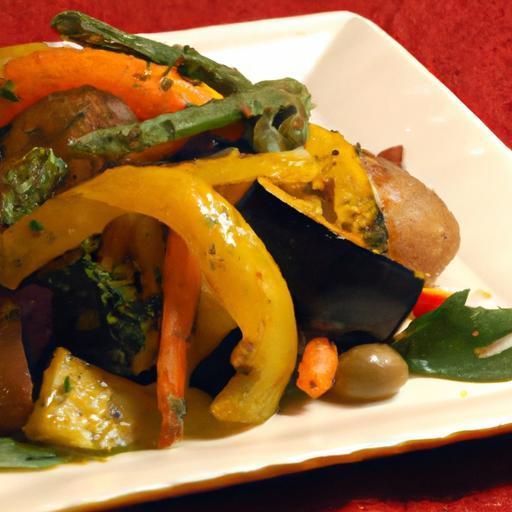
Step into a world where every simmering pot tells a story, and every bite is an invitation to explore centuries of culinary tradition.Moroccan vegetable tagine is more than just a dish-it’s a fragrant tapestry of vibrant spices, tender vegetables, and slow-cooked magic that awakens the senses and warms the soul. In this guide, we’ll unravel the secrets behind this iconic North African stew, from selecting the freshest ingredients to mastering the art of layering flavors in a conventional earthenware pot. Whether you’re a seasoned cook or a curious foodie, prepare to savor the rich, aromatic essence of Morocco-one tasty spoonful at a time.
Savor the Flavors: A Guide to Moroccan Vegetable Tagine brings you a vibrant journey through one of Morocco’s most beloved dishes, where the bounty of fresh vegetables meets a symphony of fragrant spices. Originating from the heart of North Africa, this dish embodies tradition, warmth, and a party of seasonal produce that transforms simple ingredients into a comforting, soulful meal. The magic lies in selecting the freshest vegetables and masterfully layering spices to coax out complex flavors, all while cooking gently in a tagine or a heavy-bottomed pot to seal in juices and aromas.
Prep and Cook Time
- Preparation: 20 minutes
- Cooking: 1 hour 15 minutes
- Total time: 1 hour 35 minutes
Yield
Serves 6 generous portions
Difficulty Level
Medium – perfect for home cooks eager to dive into authentic Moroccan flavors
Ingredients
- 2 tbsp olive oil
- 1 large onion, thinly sliced
- 3 garlic cloves, minced
- 2 medium carrots, peeled and cut into 1-inch chunks
- 1 medium sweet potato, peeled and cubed
- 1 red bell pepper, seeded and chopped
- 1 zucchini, sliced thick
- 1 cup butternut squash, peeled and cubed
- 1 cup canned chickpeas, drained and rinsed
- 2 medium tomatoes, diced
- 1/2 cup dried apricots, halved
- 1/4 cup fresh cilantro, chopped
- 1/4 cup fresh parsley, chopped
- 1 1/2 cups vegetable broth
- Juice of 1 lemon
- 2 tsp ground cumin
- 2 tsp ground coriander
- 1 1/2 tsp smoked paprika
- 1 tsp ground cinnamon
- 1/2 tsp turmeric
- 1/4 tsp cayenne pepper (optional, for heat)
- Salt and freshly ground black pepper, to taste
Instructions
- Heat the olive oil in a traditional tagine or a heavy-bottomed Dutch oven over medium heat.Add the sliced onion and minced garlic; sauté until soft and golden brown, about 6 minutes, stirring occasionally to prevent sticking.
- Add the carrots, sweet potato, bell pepper, zucchini, and butternut squash.Stir to coat the vegetables wiht the oil and onions. Cook for 5-7 minutes, allowing a slight caramelization for added depth.
- Sprinkle the spices-cumin, coriander, smoked paprika, cinnamon, turmeric, cayenne, salt, and pepper-over the vegetables. Mix thoroughly to evenly coat every piece, unlocking the aromatics.
- Pour in the diced tomatoes and vegetable broth.Toss in the dried apricots and chickpeas. Stir gently to combine all ingredients.
- Bring the mixture to a simmer. Reduce heat to low, cover with the tagine lid or a tight-fitting lid, and let it cook slowly for 45-60 minutes until the vegetables are tender and the flavors meld beautifully.
- Just before finishing, stir in fresh cilantro, parsley, and lemon juice to brighten the dish with vibrant herbal notes and a touch of acidity.
- Adjust seasoning if necessary. Serve warm directly from the tagine, allowing everyone to savor its aromatic richness.
Tips for Success
- Choose fresh, seasonal vegetables for the best texture and flavor; root vegetables provide sweetness, while zucchini adds a delicate balance.
- Use dried apricots as a sweet contrast to the warming spices-sub in golden raisins or dates if preferred.
- For an authentic experience, cook in a tagine. If unavailable, a heavy Dutch oven with a tight-fitting lid works beautifully.
- Don’t rush the cooking. Slow simmering unlocks flavor depth and tenderizes each vegetable perfectly.
- Make ahead: The tagine tastes even better the next day as the spices have time to infuse.
- Substitute chickpeas with white beans or add cubes of firm tofu for a protein boost.
Serving Suggestions
Serve Moroccan vegetable tagine over fluffy couscous, warm whole wheat flatbread, or creamy polenta for a comforting base. Garnish with additional fresh parsley, a drizzle of good-quality olive oil, and a scattering of toasted slivered almonds or sesame seeds for a delightful crunch. A side of cooling Greek yogurt or a fresh cucumber salad complements the warm spices beautifully.

| Nutrient | per Serving |
|---|---|
| Calories | 275 |
| Protein | 8g |
| Carbohydrates | 45g |
| Fat | 7g |
For more recipes featuring North African flavors, don’t miss our Moroccan Spiced Lentil Soup.To deepen your understanding of tagine cooking, explore the history and cultural significance of the tagine pot on Britannica.
Q&A
Q: What exactly is a Moroccan vegetable tagine?
A: A Moroccan vegetable tagine is a vibrant, slow-cooked stew brimming with an aromatic blend of fresh vegetables, exotic spices, and sometimes dried fruits and nuts.Named after the traditional earthenware pot it’s cooked in-a tagine-this dish offers a harmonious marriage of flavors that dance on your palate, capturing the spirit of Morocco’s rich culinary heritage.
Q: Why is the tagine pot notable in making this dish?
A: The tagine pot isn’t just a vessel; it’s a culinary magician. Its conical lid traps steam, allowing the dish to cook slowly and evenly, tenderizing vegetables and infusing them with the fragrant spices. This unique method results in a luscious, flavorful stew that’s impossible to replicate with regular cookware.Q: What are the key ingredients that give Moroccan vegetable tagine its signature flavor?
A: Beyond the colorful medley of vegetables-think carrots, zucchini, bell peppers, and chickpeas-the soul of a Moroccan vegetable tagine lies in its spice palette. Cumin,coriander,cinnamon,ginger,and turmeric blend with fresh garlic and preserved lemon to create a warming,complex flavor profile,accented by fresh herbs like cilantro and parsley.
Q: Can this dish be adapted for different dietary preferences?
A: Absolutely! The vegetable tagine is naturally vegetarian and vegan, but it’s incredibly versatile.You can add protein like lamb or chicken if you wish,or keep it light and plant-based. The slow cooking technique ensures that whatever you choose, the flavors meld beautifully.
Q: What’s the best way to serve Moroccan vegetable tagine?
A: Traditionally, tagine is served with fluffy couscous or crusty bread to soak up the rich sauce. For a modern twist, try serving it over quinoa or alongside a crisp salad. Garnish with toasted almonds or a dollop of creamy yogurt for added texture and contrast.
Q: How can I bring a touch of Moroccan magic into my kitchen?
A: Start by sourcing fresh spices-whole and freshly ground if possible-invest in a tagine or a heavy-bottomed pot, and embrace the slow-cooking process. Patience is key, but the reward is a fragrant, heartwarming dish that transports you straight to the bustling souks and sun-drenched landscapes of Morocco with each bite.
Q: Are there any common mistakes to avoid when cooking a vegetable tagine?
A: One common pitfall is rushing the cooking time-tagine flavors deepen with slow, gentle simmering. Another is overloading the pot; leaving enough space allows steam to circulate and ingredients to cook evenly. Lastly, don’t be shy with the spices-they should sing boldly but remain balanced.
Q: What makes Moroccan vegetable tagine unique compared to othre vegetable stews?
A: It’s the interplay of spices, the artful slow cooking in the tagine pot, and the cultural traditions behind every ingredient and technique. Unlike many stews, tagine layers sweetness (from dried fruits or preserved lemon) and warmth (from spices) to create a complex, soul-satisfying dish that’s as much an experience as a meal.
to sum up
As the aromatic steam rises from your tagine, carrying whispers of cumin, cinnamon, and preserved lemon, you’re not just tasting a dish-you’re savoring centuries of Moroccan tradition. Whether you’re a seasoned home chef or a curious foodie, this guide to Moroccan vegetable tagine invites you to slow down, embrace vibrant spices, and celebrate the harmonious dance of fresh ingredients. so next time you seek a meal that’s both nourishing and unforgettable, remember: the magic of the tagine lies not only in its flavors but in the stories and culture it brings to your table. Happy cooking, and even happier savoring!