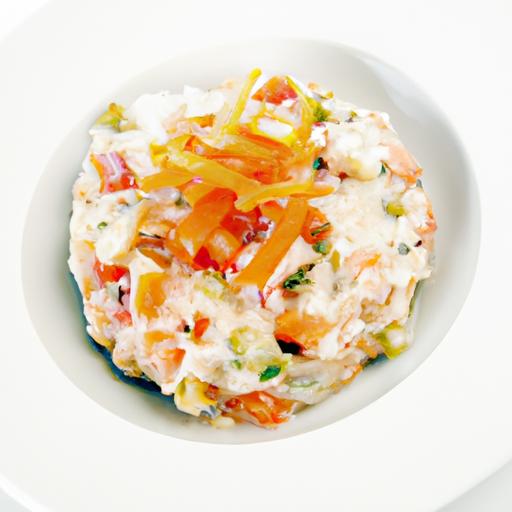

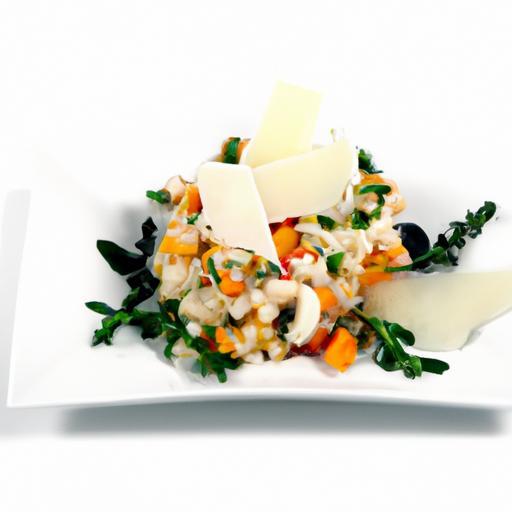
There’s something undeniably enchanting about the ocean’s bounty-the way briny waves translate into delicate flavors that dance on the palate. Seafood risotto, a dish that marries creamy arborio rice with the fresh, vibrant tastes of the sea, invites both home cooks and culinary adventurers to embark on a sensory journey. In this article, we dive deep into the art of crafting the perfect seafood risotto, blending technique and tradition to help you savor every morsel of coastal delight. Whether you’re chasing the subtle sweetness of shrimp, the tender embrace of scallops, or the rich essence of mussels, prepare to transform simple ingredients into a harmonious masterpiece that celebrates the sea in every bite.
Savor the Sea with each creamy, flavorful bite of this exquisite seafood risotto, where the freshest ocean treasures meld perfectly with velvety Arborio rice. This dish is more than a recipe; it’s a celebration of marine bounty and Italian culinary tradition, inspired by coastal farmers’ markets and sun-drenched seaside kitchens. Creating the ultimate seafood risotto means mastering the delicate balance of fresh ingredients and textures, so your taste buds can embark on a journey of savory depth and coastal elegance.
Prep and Cook Time
- Preparation: 20 minutes
- Cooking: 40 minutes
- Total Time: 1 hour
Yield
Serves 4 generous portions
Difficulty Level
Medium – perfect for cooks cozy with multitasking and eager to impress with gourmet flair
Ingredients
- 1 cup Arborio rice, rinsed and drained
- 1 pound mixed fresh seafood (shrimp, scallops, mussels, and calamari), cleaned and patted dry
- 4 cups seafood stock, kept warm
- 1 small yellow onion, finely chopped
- 2 cloves garlic, minced
- 3 tablespoons unsalted butter
- 2 tablespoons extra-virgin olive oil
- ½ cup dry white wine
- Fresh parsley, chopped, for garnish
- Fresh thyme, 1 teaspoon, finely chopped
- 1 teaspoon sea salt, or to taste
- ¼ teaspoon freshly ground black pepper
- Zest and juice of 1 lemon
- Grated Parmesan cheese (optional, for finishing)
Instructions
- Select and prepare the seafood: Start by choosing the freshest seafood available-ideally from your local fishmonger or farmers’ market. Rinse the shrimp, scallops, calamari, and mussels under cold water and pat dry with paper towels to prevent excess moisture from diluting the risotto’s richness.
- Infuse the oil and aromatics: In a large skillet or heavy-bottomed pan, heat the olive oil over medium heat. Add the chopped onion and sauté until translucent, approximately 3-4 minutes, stirring gently to avoid browning. Toss in the minced garlic and cook for another minute until fragrant.
- Toast the Arborio rice: Add the Arborio rice to the pan and stir continuously for 2-3 minutes until each grain is lightly toasted and glossy, an essential step that allows the rice to absorb liquids evenly for that creamy texture.
- Deglaze with wine: Pour in the dry white wine and simmer,stirring,until it has almost wholly evaporated. This adds a vibrant acidity that balances the sweetness of the seafood.
- Begin slow cooking: Gradually add warm seafood stock one ladle at a time, stirring gently yet persistently. wait until the liquid is almost fully absorbed before adding the next. This slow absorption is key to coaxing the natural creaminess from the Arborio rice without using cream.
- Cook the seafood separately: While the risotto simmers, heat 1 tablespoon of butter in a separate pan over medium-high heat. Add the seafood in batches, seasoning lightly with salt and pepper. Sauté the shrimp and scallops until opaque and just cooked thru – about 2 minutes per side. Remove and keep warm.
- Incorporate seafood into risotto: When the risotto is just shy of fully cooked and has a luscious, tender bite (after about 18-20 minutes), fold in the cooked seafood gently along with fresh thyme, lemon zest, and juice. Stir to combine, then add the remaining butter and gently season to taste.
- Finish and serve: Remove the pan from heat and let the risotto rest for a minute or two. Add a sprinkle of freshly chopped parsley and a light dusting of grated Parmesan cheese if desired. Serve promptly to enjoy the perfect balance of creamy texture and oceanic freshness.
Tips for Success
- Use warm seafood stock throughout the cooking process to maintain a consistent temperature and smooth texture-cold stock slows cooking and affects creaminess.
- Don’t rush adding the stock; the key to creamy Arborio rice lies in patience and gradual absorption.
- For an herbal lift,experiment by replacing thyme with tarragon or adding a pinch of saffron threads in the stock for subtle warmth and color.
- If shellfish isn’t available, firm white fish such as cod or halibut, diced, can substitute, but add toward the end to avoid disintegration.
- This risotto is best enjoyed fresh, but leftovers reheat delicately with a splash of stock or water, gently warming on the stovetop to revive its silkiness.
Serving Suggestions
Plate your seafood risotto in shallow bowls to showcase the luxurious texture, garnished with a sprig of fresh parsley or a twist of lemon zest for brightness. Pair with a crisp white wine like Pinot Grigio or Vermentino to complement the oceanic flavors.A side of grilled asparagus or a simple arugula salad with lemon vinaigrette will provide a refreshing contrast to the creamy risotto.

| Nutrient | Per Serving |
|---|---|
| Calories | 480 kcal |
| Protein | 35 g |
| Carbohydrates | 45 g |
| Fat | 12 g |
Explore more recipes with fresh seafood in our Fresh Seafood pasta Recipes Collection or deepen your connection with ocean flavors by reading about the benefits of enduring seafood sourcing via FishWatch.gov.
Q&A
Q&A: Savor the Sea - Crafting the Perfect Seafood Risotto Recipe
Q1: What makes seafood risotto such a beloved dish?
A1: Seafood risotto beautifully marries the creamy, comforting texture of risotto with the fresh, briny flavors of the ocean. It’s a dish that feels both indulgent and light, evoking coastal dinners and sunlit waters with every bite.
Q2: Which types of seafood work best in a seafood risotto?
A2: the best seafood risottos celebrate a medley of textures and tastes: succulent shrimp, tender scallops, sweet crab meat, and delicate mussels or clams.Each ingredient brings its own oceanic note, creating a symphony of flavor that enchants the palate.
Q3: How do I achieve the perfect risotto texture for seafood?
A3: The secret lies in patience and technique. Use Arborio or Carnaroli rice for that creamy, al dente bite. Stir gently and gradually ladle in warm seafood broth, letting the rice slowly absorb the flavors.The result? A luscious, velvety risotto that cradles the seafood like a silky sea blanket.
Q4: Can I use store-bought broth, or should I make my own?
A4: While high-quality store-bought seafood broth can work in a pinch, making your own using shrimp shells, fish bones, and aromatic herbs elevates the dish to new heights.Homemade broth adds depth and a subtle ocean essence that’s hard to replicate.
Q5: What role do aromatics and herbs play in this recipe?
A5: Aromatics like garlic,shallots,and white wine build a fragrant foundation,while fresh herbs such as parsley,dill,or chives add luminous,green notes that balance the richness of the risotto and the ocean’s saltiness.
Q6: Is seafood risotto difficult for beginners to prepare?
A6: Not at all! While it requires attentive stirring and a bit of timing, seafood risotto is surprisingly forgiving. With a watchful eye and the right ingredients, even novice cooks can create a restaurant-worthy dish that impresses every time.
Q7: Are there any tips for selecting fresh seafood?
A7: Absolutely. Look for firm, glossy flesh, a mild scent that evokes the sea (not fishy), and well-closed shells on mussels or clams.Freshness is key-the better the seafood, the more vibrant your risotto’s flavor will be.
Q8: How can I add my own creative twist to a traditional seafood risotto?
A8: Play with textures and colors-try adding a touch of saffron for golden hues, a sprinkle of chili flakes for heat, or a drizzle of lemon-infused olive oil for a zesty finish. Seasonal vegetables like peas or asparagus can also introduce delightful contrasts and fresh interest.
Q9: What wine pairs best with seafood risotto?
A9: Crisp, mineral-driven white wines like Pinot Grigio, Vermentino, or a dry Sauvignon Blanc complement the dish’s delicate seafood flavors without overpowering them. For those who enjoy bubbles, a light Prosecco magically elevates the experience.
Q10: Can seafood risotto be prepared ahead of time?
A10: Risotto is best enjoyed fresh to maintain its creamy texture, but you can prepare the broth and seafood components ahead. Reheat gently with a splash of broth or wine while stirring to revive that perfect consistency-then savor the sea in every spoonful.
Insights and Conclusions
As the final grains of creamy arborio melt on your tongue, and the briny kiss of the sea lingers with each bite, you realize that crafting the perfect seafood risotto is more than just a recipe-it’s a celebration of oceanic bounty and culinary patience. By balancing fresh, vibrant ingredients with mindful technique, you unlock a dish that harmonizes richness and freshness in every spoonful. So next time you seek to savor the sea in its most comforting form,remember: the secret lies in honoring both the ingredients and the process,transforming a simple pot of rice and seafood into a masterpiece worthy of the tides themselves.