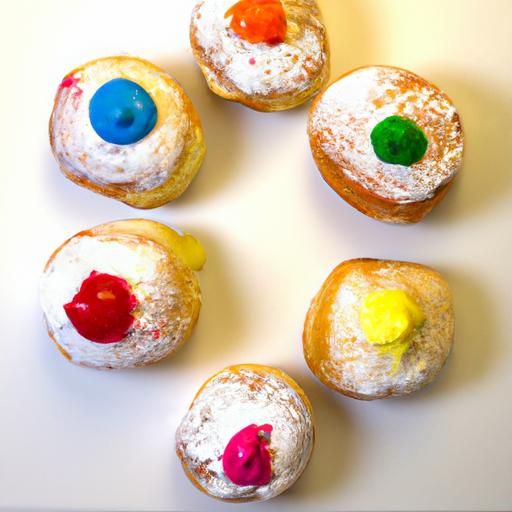

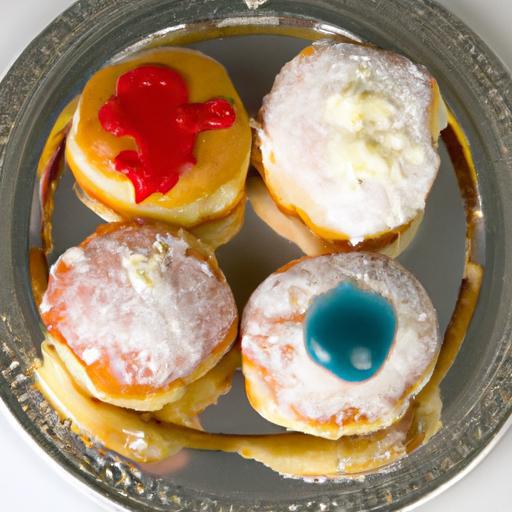
When the golden oil flickers to life and the menorah’s candles cast their warm glow, another beloved tradition begins to fill kitchens and streets: the making and savoring of sufganiyot. These irresistible jelly-filled doughnuts are more than just a sweet indulgence during Hanukkah-they’re a appetizing bridge connecting centuries of history, faith, and flavor. From their ancient roots to modern culinary twists, sufganiyot tell a story as rich and vibrant as the holiday itself. Join us on a journey through time and taste as we explore the origins, evolution, and mouthwatering varieties of this iconic Hanukkah treat.
Savoring Sufganiyot: History and Flavors of Hanukkah Treats
Savoring Sufganiyot offers a delightful journey through the rich history and evolving flavors of these iconic Hanukkah treats. These fluffy, golden doughnuts symbolize much more than just a sweet indulgence-they encapsulate centuries of tradition, warmth, and festivity. Whether you recall the aroma wafting from your childhood kitchen or are eager to explore new flavor combinations, mastering sufganiyot at home invites a cozy ritual that honors heritage and ignites creativity.
Prep and Cook Time
- Planning: 30 minutes (plus 1.5 to 2 hours for dough rising)
- Cooking: 20 minutes
- Total Time: Approximately 2 hours
Yield
Makes 12 perfectly fluffy sufganiyot
Difficulty Level
Medium – Requires some kneading and frying technique but approachable with clear steps
Ingredients
- 3 ½ cups all-purpose flour, sifted
- 1 packet (2 ¼ tsp) active dry yeast
- ¾ cup warm whole milk (110°F/43°C)
- ¼ cup granulated sugar
- 2 large eggs, at room temperature
- ¼ cup unsalted butter, melted and slightly cooled
- 1 tsp pure vanilla extract
- ½ tsp salt
- Vegetable oil for frying (about 4 cups)
- 1 cup raspberry or strawberry jam (or your favorite filling)
- Powdered sugar for dusting
Instructions
- Activate the yeast: In a small bowl, combine the warm milk, 1 tablespoon of sugar, and yeast. Stir gently and let it rest for 5-10 minutes until the mixture is frothy and bubbly.
- Mix dry ingredients: In a large bowl, whisk together the flour, remaining sugar, and salt.
- Prepare the dough: Make a well in the center of the flour mixture and add the yeast mixture, eggs, melted butter, and vanilla extract. Stir gently to combine.
- Knead to perfection: Turn the dough out onto a floured surface and knead for 8-10 minutes until smooth and elastic. If the dough is sticky, add flour one tablespoon at a time.
- First rise: Lightly oil a large bowl and place the dough inside, turning once to coat. Cover with a clean kitchen towel or plastic wrap and let it rise in a warm, draft-free place for 1.5 hours,or until doubled in size.
- Shape sufganiyot: Punch down the dough gently and roll it out on a floured surface to about ½-inch thickness. Using a 3-inch round cutter, cut out circles and place on a parchment-lined baking sheet. Cover and let rise for another 30 minutes.
- heat the oil: In a deep, heavy-bottomed pot, heat the vegetable oil to 350°F (175°C). use a kitchen thermometer for best results.
- Fry the doughnuts: Carefully lower 3-4 doughnuts at a time into the hot oil. Fry for about 1½ to 2 minutes per side, turning once, until golden brown and puffed. Avoid overcrowding.
- drain and cool: Transfer fried doughnuts to a wire rack over paper towels to drain excess oil.
- Fill and finish: Using a piping bag fitted with a small round tip, fill each doughnut with about 1 tablespoon of jam. Generously dust with powdered sugar before serving.
Chef’s Tips for Success
- Flour type: For the fluffiest sufganiyot, use a high-protein bread flour or a mix of bread and all-purpose flour.
- Oil temperature: Maintaining consistent oil heat is crucial.If too hot, the sufganiyot will brown too fast but remain raw inside; too cool and they’ll absorb excess oil and become greasy.
- Make Ahead: you can prepare and cut the doughnuts in advance, refrigerate them covered overnight, and fry the next day for fresh results.
- Flavor variations: Experiment with fillings like dulce de leche, chocolate ganache, or pistachio cream. Sprinkle toppings such as toasted coconut or crushed nuts for a twist.
- Rising surroundings: Create a warm, humid spot by placing the bowl inside a turned-off oven with a cup of hot water beside it for perfect dough expansion.
Serving Suggestions
Present your sufganiyot on a beautiful platter dusted with extra powdered sugar that catches the light just right. Garnish with fresh berries or mint leaves to add a burst of colour. Pair with a cup of hot spiced tea or rich coffee to complement their sweetness. For a playful touch, offer an array of fillings and let guests customize their treats-all while basking in the festive Hanukkah spirit.

Nutrition per Sufganiyah
| Calories | Protein | Carbs | Fat |
|---|---|---|---|
| 250 kcal | 4 g | 35 g | 9 g |
For a deeper dive into Jewish holiday recipes, explore our article on Traditional Latkes Recipe Guide. To enrich your cultural understanding of Hanukkah, the Encyclopaedia Britannica’s Hanukkah entry provides an authoritative overview.
Q&A
Q&A: Savoring Sufganiyot – The History and Flavors of Hanukkah Treats
Q1: What exactly are sufganiyot?
A1: Sufganiyot (singular: sufganiyah) are luscious, deep-fried doughnuts traditionally enjoyed during Hanukkah. These golden puffs are typically filled with sweet jelly or custard and dusted generously with powdered sugar. Think of them as round, little edible celebrations that embody the warmth and joy of the festival of lights.
Q2: Why are sufganiyot eaten specifically during Hanukkah?
A2: The tradition of eating sufganiyot is rooted in the Hanukkah miracle itself-the oil that burned for eight days in the ancient Temple. Fried foods honour that miracle by using oil as the central cooking ingredient. Sufganiyot, being deep-fried, pay homage to this past event, making each bite a delicious reminder of resilience and light.
Q3: Where do sufganiyot come from? is it an old Jewish recipe?
A3: While the deep-fried dough tradition stretches back centuries across many cultures, sufganiyot as we certainly know them today have their culinary roots in Jewish communities of Eastern Europe.The name comes from the Hebrew word “sfogga,” meaning sponge, referring to the dough’s airy texture. The recipe evolved over time and became popular in Israel during the 20th century, where they flourished into the iconic treat of Hanukkah.
Q4: What varieties of sufganiyot can one find today?
A4: Beyond the classic strawberry or raspberry jelly filling, sufganiyot now delight taste buds with a dazzling array of flavors. Think velvety chocolate ganache, tangy lemon curd, rich caramel, pistachio cream, or even savory twists like cream cheese with smoked salmon. In modern bakeries, the sufganiyah is a canvas for creativity, often topped with nuts, sprinkles, or drizzles of exotic sauces.Q5: How do sufganiyot differ from other fried Hanukkah treats, like latkes?
A5: Both sufganiyot and latkes celebrate the oil miracle but differ in form and flavor profile. Latkes are crispy potato pancakes-earthy, savory, and best served with applesauce or sour cream-while sufganiyot are sweet, fluffy, and indulgent doughnuts. Together, they offer a delicious yin and yang of Hanukkah cuisine, satisfying both salty and sweet cravings alike.
Q6: Can sufganiyot be made at home? Any tips for success?
A6: absolutely! Making sufganiyot at home is a joyful kitchen adventure.Use a yeast-based dough to achieve that light, airy texture, and don’t rush the rising process-it’s key for fluffiness. When frying, keep your oil temperature steady around 350°F (175°C) to ensure golden, crispy exteriors without greasy interiors. After frying, fill them promptly for best results, and remember: a dusting of powdered sugar is the finishing flourish!
Q7: Why do sufganiyot evoke such festive feelings during Hanukkah?
A7: Beyond their sweet flavor, sufganiyot symbolize community, tradition, and celebration. sharing these treats with family and friends kindles a sense of togetherness and joy. their warm, comforting presence on the Hanukkah table connects generations, reminding us that sometimes, the simplest pleasures-like a jelly-filled doughnut-carry the richest meanings.
Q8: how have sufganiyot influenced contemporary food culture?
A8: Sufganiyot have transcended their Hanukkah origins to inspire chefs and food lovers worldwide. Fusion sufganiyot appear on gourmet menus, blending international flavors, and creative bakers experiment with fillings and toppings that defy tradition yet honor the spirit. This adaptability showcases how a humble holiday treat can become a delicious cultural ambassador, spreading light and sweetness far beyond its original holiday.
Whether biting into a classic jelly-filled sufganiyah or indulging in a modern twist, savoring sufganiyot is a heartfelt way to connect with history, tradition, and the delicious spirit of Hanukkah.
Final thoughts
As the last bite of a warm, jelly-filled sufganiyah melts away, we’re reminded that these little doughy delights are more than just festive treats-they are edible stories, rich with history and brimming with flavor.From their humble origins to their vibrant place on today’s Hanukkah tables, sufganiyot invite us to savor tradition and celebrate the miracle of light in every golden, sugar-dusted bite. So this Hanukkah,whether you prefer them classic or stuffed with inventive fillings,take a moment to appreciate not just the taste,but the heritage that makes each sufganiyah a delicious link between past and present.