
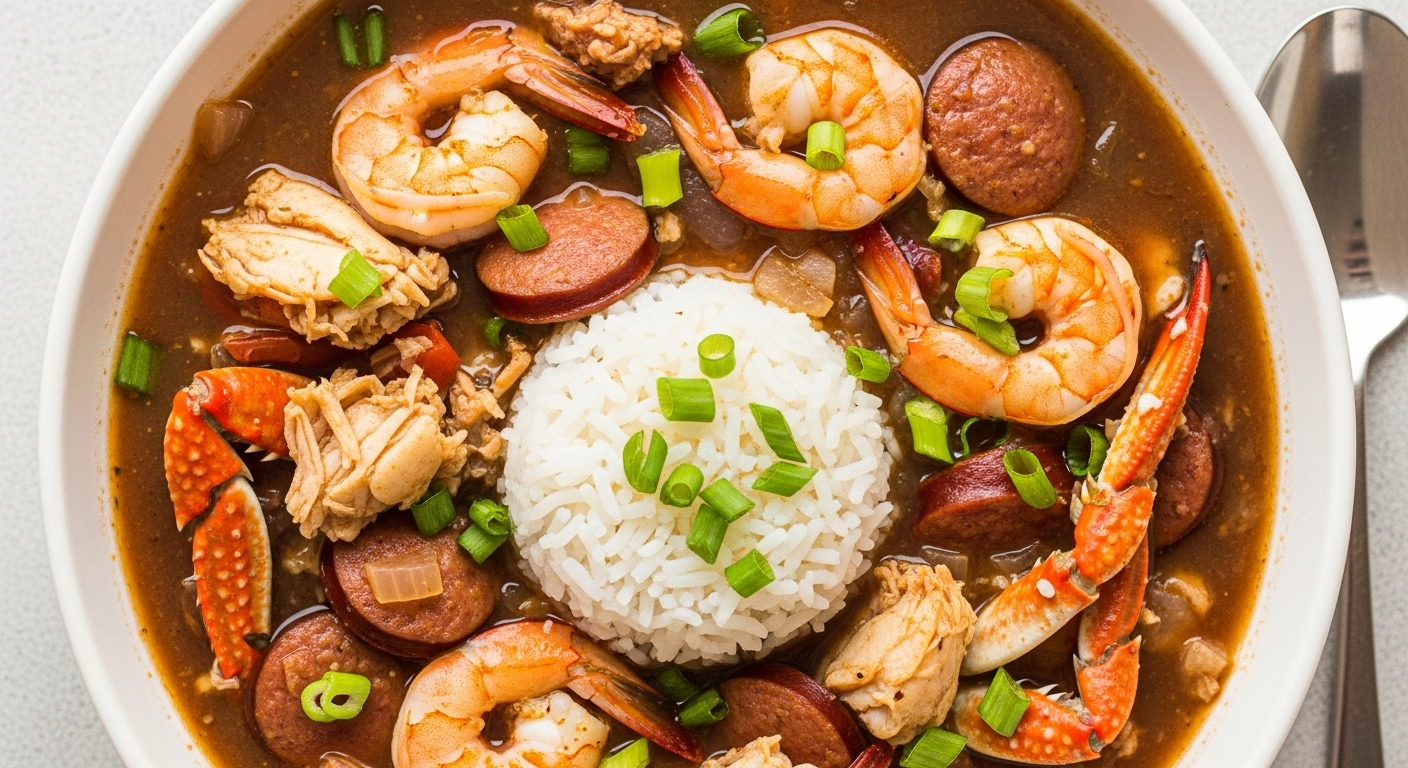
In the heart of Louisiana’s bayou country, where the air carries the scent of spice and the rhythms of zydeco float on the breeze, a culinary treasure simmers slowly in cast-iron pots-seafood gumbo. this beloved Cajun classic is more then just a stew; it’s a rich tapestry of history, culture, and flavor, weaving together the bounties of the Gulf Coast with the soulful traditions of a vibrant community. Join us as we dive deep into the origins, ingredients, and intricate techniques that make seafood gumbo a dish to be savored, celebrated, and passed down through generations. Prepare your senses for a flavorful journey into the heart of Cajun cuisine, where every spoonful tells a story.
Savoring seafood gumbo is an unforgettable journey into the heart of Cajun culture, where bold flavors and rich history combine in a dish that warms the soul.Originating from the vibrant bayous of Louisiana, this hearty stew has woven together French, african, Native American, and Spanish influences to create a unique culinary tradition. My very first taste of seafood gumbo was at a family gathering in New Orleans, where the deep, aromatic broth and tender seafood felt like a warm embrace-a perfect reflection of this dish’s identity: comfort served with a kick of Southern spice.
Prep and Cook Time
- Preparation: 25 minutes
- Cooking: 1 hour 20 minutes
- Total Time: 1 hour 45 minutes
Yield
Serves 6 generous portions
Difficulty Level
medium – Perfect for home cooks ready to elevate their skill with authentic Cajun techniques
Ingredients
- 1/2 cup all-purpose flour, sifted
- 1/2 cup vegetable oil (for the roux)
- 1 large onion, finely chopped
- 1 green bell pepper, diced
- 2 stalks celery, diced
- 4 cloves garlic, minced
- 1 pound shrimp, peeled and deveined
- 1/2 pound crab meat, picked over for shells
- 1/2 pound oysters, drained
- 1 quart seafood stock (homemade or store-bought)
- 1 cup diced tomatoes (optional, for a slight acidity)
- 2 teaspoons Cajun seasoning
- 1 teaspoon smoked paprika
- 1/2 teaspoon cayenne pepper (adjust to taste)
- 2 bay leaves
- salt and freshly ground black pepper, to taste
- 1/4 cup fresh parsley, chopped
- 4 green onions, sliced thinly
- Cooked white rice, for serving
instructions
- Make the roux: In a large, heavy-bottomed pot or Dutch oven, whisk together the flour and vegetable oil over medium-low heat. Stir continuously for about 15-20 minutes until the mixture deepens to a rich,chocolate brown color. This flavorful base is key to an authentic Cajun seafood gumbo.
- Add the Trinity: Stir in the onion, bell pepper, and celery along with the garlic. Sauté for 5-7 minutes until softened and fragrant, incorporating the vegetables fully into the roux.
- Season the broth: Pour in the seafood stock gradually while stirring to prevent lumps. Add tomatoes (if using), Cajun seasoning, smoked paprika, cayenne, bay leaves, salt, and pepper. Bring the mixture to a simmer and let it thicken and develop flavor for about 30 minutes,stirring occasionally.
- Prepare the seafood: Add the shrimp,crab meat,and oysters to the pot. Simmer gently for 10 minutes until the seafood is tender and cooked through, careful not to overcook to maintain texture.
- Finish and garnish: Remove bay leaves. Stir in the fresh parsley and green onions to add brightness and color to your gumbo.
- Serve hot: Ladle the gumbo generously over bowls of steaming white rice for an authentic Cajun presentation.
Tips for Success
- Roux patience: Stirring the roux low and slow allows the flavors to deepen without burning. If it scorches, start over – the roux is the soul of the gumbo.
- Seafood variety: Feel free to swap or add other seafood such as crawfish tails or chunks of firm white fish for personalized flair.
- Make ahead: Gumbo flavors marry beautifully overnight. Prepare a day before serving and gently reheat, adding fresh seafood just before serving for texture.
- Adjust heat: Tweak cayenne and Cajun seasoning to your preferred spice level, balancing heat with the rich, smoky base.
Serving Suggestions
For a truly elevated seafood gumbo experience, serve with classic crusty French bread or a buttery cornbread to soak up every luscious drop.Garnish with extra sliced green onions and a fresh sprig of parsley to enhance visual appeal and freshness. Pair with a chilled glass of Sauvignon Blanc or a cold craft lager to complement the spicy, smoky depth of the stew. For side dishes,consider a crisp Cajun slaw or pickled okra for contrasting textures.
| Nutrition (per serving) | Calories | Protein | carbs | Fat |
|---|---|---|---|---|
| Seafood Gumbo | 350 | 32g | 15g | 12g |
Discover more about Cajun cuisine techniques and flavorful dishes in our detailed Mastering Cajun Cooking Techniques guide to deepen your culinary repertoire and carry this spirited tradition further into your kitchen.
Q&A
Q&A: Savoring Seafood Gumbo – A Flavorful Cajun Classic Unveiled
Q1: What exactly is seafood gumbo?
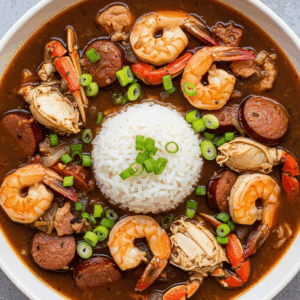
A: Seafood gumbo is a hearty and aromatic stew that hails from Louisiana’s vibrant Cajun and Creole culinary traditions. It’s a rich, flavorful blend of fresh seafood-like shrimp, crab, oysters, and sometimes crab claws-simmered with a dark, nutty roux, the trinity of cajun vegetables (bell peppers, onions, celery), and a symphony of spices. The dish marries the hearty, thick texture of a stew with the radiant, briny freshness of the sea.
Q2: How did gumbo become such an iconic cajun dish?
A: Gumbo’s roots are a melting pot of cultural influences: French, african, Spanish, and Native American. The word “gumbo” itself is derived from a West African word for okra, an essential thickening ingredient.As these cultures mingled in Louisiana, their cooking techniques and ingredients blended into what we now cherish as gumbo. It’s a dish born from resourcefulness, community, and celebration-served during festivals, family gatherings, and Sunday suppers.
Q3: What makes seafood gumbo so distinct from other types of gumbo?
A: While gumbo variations can include chicken, sausage, or vegetables, seafood gumbo shines with its oceanic bounty.The delicate sweetness of shrimp and crab, combined with the briny pop of oysters, lends a unique depth. Unlike some gumbos that rely heavily on smoked sausage or poultry, seafood gumbo highlights fresh shellfish’s ocean flavors, balanced by the smoky, earthy roux and piquant spices.
Q4: What are the key ingredients in a classic seafood gumbo?
A: The heart of seafood gumbo lies in its roux and the Cajun trinity-onions, bell peppers, and celery.From there, you add garlic, tomatoes (in creole versions), and a bouquet of spices like cayenne, thyme, and bay leaves. The seafood ensemble usually includes shrimp, crab meat, crab claws, and oysters. Okra or filé powder (ground sassafras leaves) is added as a natural thickener, giving gumbo its signature texture and earthy flavor.Q5: How do cooks achieve the perfect roux for gumbo?
A: Making the roux is an art form-a labour of patience and good timing. Equal parts flour and fat (usually oil or butter) are cooked slowly over medium-low heat, stirring constantly, until the mixture transforms into a deep caramel or chocolate brown color. This process, which can take 20 to 45 minutes, builds the backbone of gumbo’s savory, nutty flavor. A well-browned roux enhances the gumbo’s richness without overpowering the seafood’s freshness.
Q6: Can gumbo be made ahead of time or frozen?
A: Absolutely! Gumbo frequently enough tastes even better the next day, as the flavors meld and intensify. once cooked, let it cool wholly before refrigerating or freezing. When reheating, gently warm on the stove, and if needed, adjust seasoning or add a splash of broth to loosen the consistency. Freezing gumbo is practical and perfect for savoring the Cajun spirit anytime the craving hits.
Q7: What’s the best way to serve seafood gumbo?
A: Traditionally, seafood gumbo is ladled over a bed of fluffy white rice, which soaks up the rich broth. Accompany it with crusty French bread for dipping or a side of cornbread for a touch of sweetness. Garnish with chopped green onions or fresh parsley for a pop of color and freshness. For the full Louisiana experience,serve it alongside classic sides like coleslaw or fried okra.
Q8: Are there any tips for making vegan or vegetarian gumbo inspired by this classic?
A: Certainly! While true Cajun seafood gumbo centers on shellfish, a vegetarian gumbo can capture its spirit by replacing seafood with mushrooms, artichokes, or hearty root vegetables. Using smoked paprika, liquid smoke, or Worcestershire sauce substitute imparts a subtle smoky, umami depth. Vegetable broth enriched with seaweed flakes can mimic that briny undertone, while okra and filé powder maintain the classic gumbo texture.Q9: Why is seafood gumbo considered a symbol of Cajun culture?
A: Seafood gumbo embodies the heart and soul of Cajun culture-a cuisine born from resilience, adaptability, and the joy of shared meals. It illustrates how humble ingredients combined with time-honored techniques can create something unusual. The dish celebrates Louisiana’s connection to the land and the sea, community bonds, and the vibrant layers of cultural identity that define Cajun heritage.
Q10: Where can someone experience authentic seafood gumbo outside Louisiana?
A: Authentic seafood gumbo can be found beyond Louisiana, especially in cities with a rich Cajun diaspora like Houston, Atlanta, or Chicago. Many Southern-style restaurants and specialty food shops carry their own takes on gumbo. For an immersive experience, look for Louisiana festivals or Cajun cooking classes that spotlight seafood gumbo-offering not just a taste, but a story steeped in tradition and flavor.
Closing Remarks
As the final spoonful of seafood gumbo lingers on your palate, you’ve not only tasted a dish-you’ve experienced a vibrant tapestry woven from Cajun heritage, coastal bounty, and bold, soulful spices. This flavorful classic invites both seasoned gourmands and curious newcomers to dive deep into a rich culinary tradition where every bite tells a story. Whether enjoyed on a bustling Louisiana street or recreated in your own kitchen, seafood gumbo remains a beloved reminder that food is more than sustenance-it’s a celebration of culture, community, and the unforgettable magic born when land meets sea. So, next time you savor a steaming bowl, remember: you’re partaking in a timeless journey, one spoonful at a time.