

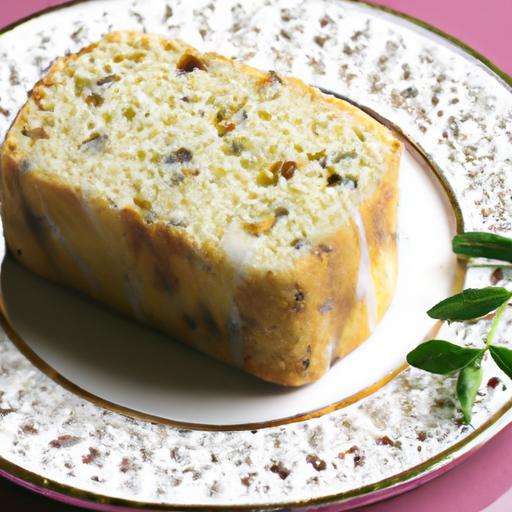
In the heart of the South,where hospitality blooms as warmly as magnolias in full spring,there exists a timeless treasure-Southern tea cakes. These simple yet irresistible confections have long been a staple of family gatherings, church socials, adn lazy afternoon teatimes, carrying with them stories as rich and comforting as their buttery sweetness. More than just a treat, Southern tea cakes embody a tradition that blends history, culture, and a touch of nostalgic charm. Join us as we explore the delicate art and enduring allure of these delightful cakes, uncovering the secrets behind their tender crumb and the sweet traditions that continue too bring communities together, one bite at a time.
Sweet Traditions: Exploring the Charm of Southern Tea Cakes
Sweet Traditions evoke memories of warm kitchens and family gatherings, especially when Southern tea cakes grace the table. These tender,buttery confections have roots deeply planted in the American South,telling stories of community and comfort through every bite. Whether enjoyed with a steaming cup of tea or shared amid laughter on a porch swing, Southern tea cakes remain a beloved symbol of hospitality and heritage.
Prep and Cook Time
- Prep Time: 15 minutes
- Cook Time: 12 minutes
- Total Time: 27 minutes
Yield
Makes 12 soft and sweet tea cakes
Difficulty Level
Easy – perfect for both novice and experienced bakers
Key Ingredients and Techniques That Define Authentic Southern Tea Cakes
At the heart of every authentic Southern tea cake lies a handful of simple, yet carefully chosen ingredients that work harmoniously to create their signature tender texture and sweet, buttery flavor. All-purpose flour,baking powder,and granulated sugar form the base,while unsalted butter adds richness and melt-in-your-mouth softness. Whole milk or cream ensures moisture, and a hint of vanilla extract enhances aroma without overpowering the subtle sweetness.
The technique is just as crucial as the ingredients. The butter must be beaten until creamy before gently folding in the dry ingredients. Overmixing can develop gluten and toughen the cake, so light, tender hands are key. Baking on a well-greased or parchment-lined sheet absorbs just enough heat to create the perfect golden crust while keeping the center soft – a true hallmark of Southern tea cakes.
Exploring Regional Variations and Unique Flavor Twists
While the classic recipe offers timeless delight,Southern tea cakes boast many regional variations that reflect local ingredients and family traditions. In some areas,a sprinkle of nutmeg or cinnamon lends warm spice notes. Others fold in chopped pecans or raisins for texture and bursts of flavor.
For those drawn to more adventurous flavor profiles, try infusing the dough with citrus zest like lemon or orange, or drizzle the finished cakes with a simple honey glaze. Each variation retains the soft, sweet charm but introduces a new taste dimension worth exploring.
tips for Baking Perfectly soft and Sweet Tea Cakes at Home
Waiting for the perfect Southern tea cake can feel like a special occasion itself. To ensure success every time, start by measuring your flour with care - too much can dry out the cakes. Use room temperature butter for easy creaming, and don’t rush the mixing process. When shaping the dough,keep cakes relatively flat but not too thin to preserve moistness inside.
keep a close eye during baking: the cakes should pull away lightly from the pan edges and develop a delicate golden color. Allowing them to cool just enough before serving ensures they remain tender and soft - the moment they fresh from the oven is pure magic.
Ingredients
- 1 cup all-purpose flour, sifted
- 1/4 teaspoon baking powder
- 1/8 teaspoon fine salt
- 1/3 cup granulated sugar
- 1/4 cup unsalted butter, softened
- 1 large egg, at room temperature
- 1/4 cup whole milk or cream
- 1 teaspoon pure vanilla extract
Instructions
- Preheat your oven to 350°F (175°C). Line a baking sheet with parchment paper or lightly grease it.
- In a medium bowl, whisk together the sifted flour, baking powder, and salt.
- in a large bowl, beat the softened butter and sugar together with an electric mixer on medium speed until light and creamy, about 3-4 minutes.
- Add the egg to the butter mixture and beat until fully incorporated.
- Mix in the vanilla extract and milk until combined.
- Gradually fold the dry ingredients into the wet, stirring gently just until the dough comes together.Avoid overmixing.
- Using a tablespoon, drop dough onto the prepared baking sheet about 2 inches apart, slightly flattening each mound with the back of the spoon.
- Bake for 10-12 minutes, or until the edges turn a pale golden brown and the tops are set.
- Remove from the oven and let cool on the sheet for 5 minutes before transferring to a wire rack.
- Enjoy warm, or store in an airtight container at room temperature for up to 3 days.
Chef’s notes: Tips for Success
- butter Temperature: Using butter softened-not melted-is crucial for the proper creamy texture that gives tea cakes their tender crumb.
- Milk Substitutes: For a richer flavor,substitute heavy cream for milk; alternatively,buttermilk adds a lovely tangy note and extra tenderness.
- Storage: These cakes are best enjoyed fresh but will keep well in an airtight container. Reheat gently before serving to revive softness.
- Flavor Twists: Try stirring in 1/4 cup chopped pecans or dried cranberries for a seasonal touch.
- Make Ahead: Prepare the dough the night before, cover tightly, and refrigerate; bring to room temperature and bake as usual.
Serving Suggestions
Serve these Southern tea cakes alongside a fragrant pot of sweet tea or freshly brewed coffee for a classic afternoon treat. Dust with a light sprinkle of powdered sugar or spread with homemade jam or honey butter for added indulgence.Garnishing with fresh mint or edible flowers elevates the presentation, perfect for welcoming guests or savoring a quiet moment.

| Nutrient | Per Serving |
|---|---|
| Calories | 150 kcal |
| Protein | 2g |
| Carbohydrates | 22g |
| Fat | 6g |
for more Southern-inspired desserts, explore our Southern Baking Recipes Collection. To deepen your knowledge about the history of Southern sweets, visit southern Foodways Alliance.
Q&A
Q&A: Sweet Traditions – Exploring the Charm of Southern Tea Cakes
Q1: what exactly are Southern tea cakes?
A1: Southern tea cakes are delightfully soft, buttery cookies or small cakes with a tender crumb and a hint of sweetness. Traditionally made with simple ingredients like sugar, butter, flour, and eggs, these treats have been a beloved staple in Southern kitchens for generations. Unlike the dense tea cakes found in other regions, Southern versions are light and mildly sweet-perfect for afternoon tea or a cozy snack.
Q2: Where did the tradition of Southern tea cakes originate?
A2: The origins of Southern tea cakes trace back to early colonial America, where settlers adapted European cake and cookie recipes to local ingredients and tastes. Over time, these confections became intertwined with Southern hospitality and social customs, especially the cherished ritual of afternoon tea. Each family added its own twist, passing recipes down through generations, preserving a sweet slice of history.
Q3: What makes Southern tea cakes special compared to other cookies or cakes?
A3: Southern tea cakes strike a lovely balance between cake and cookie textures-soft and slightly crumbly without being heavy or dry. Their simplicity is part of their charm, relying on high-quality ingredients and careful technique rather than elaborate flavors. The subtle sweetness complements savory dishes or a warm cup of tea, embodying the warmth and grace of Southern tradition.
Q4: Are there different variations of Southern tea cakes?
A4: Absolutely! While the classic recipe remains a buttery, sugar-kissed delight, regional and family variations abound. Some incorporate a dusting of powdered sugar, a splash of vanilla or almond extract, or a hint of nutmeg or cinnamon for warmth. Others might add ground nuts or swap in brown sugar for deeper flavor. Each variation reflects the unique tastes and stories of the Southern communities that cherish them.
Q5: How are Southern tea cakes traditionally served?
A5: Traditionally, Southern tea cakes are served alongside a steaming pot of black tea, sweet tea, or even coffee. They often make an appearance at family gatherings, church socials, and holiday celebrations-settings where sharing comfort food invites connection. Sometiems, they’re paired with fresh fruit preserves or a pat of butter, elevating this humble treat into a moment of indulgent simplicity.
Q6: Can I make Southern tea cakes at home, and do they require special techniques?
A6: Yes, making Southern tea cakes at home is wonderfully rewarding and doesn’t require advanced baking skills.The key lies in creaming the butter and sugar thoroughly to achieve a light texture and ensuring not to overmix the dough to keep them tender. Baking at just the right temperature-typically around 350°F-helps them develop a delicate golden hue. With a little patience and love, your kitchen will be filled with the nostalgic aroma of Southern charm.
Q7: why do Southern tea cakes continue to hold cultural importance today?
A7: Southern tea cakes are more than just sweets-they are edible heirlooms that carry stories of family, community, and togetherness. In a fast-paced modern world, these humble treats offer a comforting connection to a slower, more gracious time. Sharing tea cakes honors Southern hospitality and celebrates the enduring joy found in simple, heartfelt traditions.
Whether you’re savoring a crumbly tea cake on your porch or gifting a batch to a friend, these sweet Southern treasures remind us that sometimes, the smallest delights bring the biggest smiles.
In Retrospect
As the last crumb melts away and the warm aroma lingers, Southern tea cakes reveal themselves as more than just a simple treat-they are a sweet thread woven through generations, carrying stories of homespun hospitality and timeless comfort. Whether shared over a sunlit porch or enjoyed amidst the hum of a bustling kitchen, these tender delights invite us to savor not only their buttery flavor but the rich traditions they embody. In every bite of a Southern tea cake, we taste a piece of history, a whisper of heritage, and a festivity of community-reminding us that some sweets are truly made for sharing.


