
Crisp, golden, and bursting with vibrant fillings, spring rolls have long enchanted taste buds across continents. Beyond thier delicate, flaky exterior lies a world of textures and flavors-each roll a miniature journey steeped in cultural tradition and culinary creativity. In “Spring Rolls Unwrapped: A crispy Journey Through Flavors,” we peel back the layers of this beloved appetizer to explore its origins, variations, and the art of crafting the perfect bite. Whether drenched in tangy sauces or savored plain, spring rolls invite us to savor a crispy adventure that is as diverse as the ingredients tucked inside. Join us as we unwrap the stories and secrets behind these exquisite morsels, revealing the flavorful tapestry woven into every crunchy roll.
Spring Rolls unwrapped offer a captivating journey through balance, texture, and flavor. With roots stretching across Asia, these golden, crisp delights have evolved into a beloved snack and entrée worldwide. From the lively night markets of Vietnam to the bustling street stalls of China, spring rolls transform simple ingredients into a crispy, aromatic sensation.Inspired by countless culinary adventures, this recipe demystifies the art of crafting perfect wrappers and reveals how to achieve unrivaled crispiness at home. Whether you prefer the delicate crunch of rice paper or the sturdier embrace of wheat-based skins, prepare to elevate your snack game with fills both traditional and daringly modern.
Prep and Cook Time
- Preparation: 30 minutes
- Cooking: 15 minutes
- Total Time: 45 minutes
Yield
- Servings: 12 spring rolls
Difficulty Level
- Medium: requires some rolling technique and frying skills
Ingredients
- 12 spring roll wrappers (rice paper or wheat-based, about 7-inch diameter)
- 1 cup finely shredded cabbage (green or napa)
- ½ cup grated carrot
- 1 cup cooked vermicelli noodles, chopped
- ½ cup shiitake mushrooms, thinly sliced
- 1 small onion, finely chopped
- 2 cloves garlic, minced
- 200g ground pork or plant-based protein
- 2 tbsp soy sauce
- 1 tbsp oyster sauce or vegetarian mushroom sauce
- 1 tsp sesame oil
- Fresh cilantro and mint, chopped (optional, 2 tbsp)
- 1 egg (for sealing wrappers)
- Vegetable oil (for frying)
- Salt and white pepper, to taste
Instructions
- Prepare the filling: Heat 1 tbsp vegetable oil in a skillet over medium heat. Sauté onion and garlic until fragrant and translucent, about 3 minutes.
- add ground pork (or plant protein) to the pan, stirring and breaking it up until cooked through, about 5 minutes. Season with salt, white pepper, soy sauce, and oyster sauce.
- Mix in shredded cabbage, carrots, sliced mushrooms, and chopped vermicelli noodles. Stir fry for another 4 minutes until vegetables soften slightly but retain some crunch.
- Finish with sesame oil and fresh herbs, then remove from heat and allow filling to cool wholly to avoid soggy wrappers when frying.
- Prepare wrappers: For rice paper,quickly dip each sheet in warm water until pliable. For wheat-based wrappers,keep them covered with a damp towel to prevent drying.
- Assemble the rolls: Place a wrapper on a flat surface.Spoon about 2 tbsp of filling near the edge closest to you. Fold the sides inward, then roll tightly away from you, sealing the edge with beaten egg.
- Heat oil: Pour vegetable oil into a deep pan or wok to a depth of 2 inches. Heat to 350°F (175°C) – use a thermometer for precision.
- Fry the spring rolls: Work in batches, frying 3-4 rolls at a time to avoid crowding. Cook for 2-3 minutes or until golden brown and uniformly crispy,turning occasionally.
- Drain excess oil: Remove rolls with a slotted spoon and place on paper towels.
- Serve promptly alongside your favorite dipping sauces.
Tips for Success with Spring Rolls Unwrapped
- Crisp wrappers: Ensure the filling is cool before wrapping to prevent sogginess. Pat wrappers dry if they feel too wet.
- Sealing the edges: Use egg wash for a secure seal; without it, rolls may open during frying.
- Oil temperature: Maintain consistent heat at 350°F for optimal rolling crispiness and to avoid oil absorption.
- Personalize your filling: Experiment by swapping pork for shrimp, tofu, or even shredded chicken. Add a pinch of five-spice or chili flakes for a twist.
- Make ahead: Assemble rolls and refrigerate them on a baking sheet lined with parchment for up to 4 hours before frying.
Serving suggestions
present these golden bundles with a vibrant trio of dipping sauces: a tangy hoisin peanut sauce, a sharp nuoc cham (Vietnamese fish sauce), and a zesty sweet chili dip. Garnish the platter with fresh lime wedges, crunchy bean sprouts, and sprigs of mint and cilantro to enhance the fresh flavors. For a complete meal, serve with a crisp Asian slaw or fragrant jasmine rice.
| nutrient | Per Spring Roll |
|---|---|
| Calories | 150 kcal |
| Protein | 7 g |
| Carbohydrates | 15 g |
| Fat | 7 g |

Discover more quick and flavorful Asian appetizers in our Asian Appetizers Collection.For deep insights into the history and cultural significance of spring rolls, visit Britannica’s detailed article.
Q&A
Q&A: Spring Rolls Unwrapped: A Crispy Journey Through Flavors
Q1: What makes spring rolls such an iconic dish across different cultures?
A: Spring rolls are culinary chameleons-each culture wraps its own story inside delicate, crispy layers. Originating in East Asia, they’ve traveled far and wide, adapting to local tastes and ingredients. Their iconic crispiness paired with a savory, sometimes sweet or spicy filling creates a playful contrast that delights the palate, making them universally beloved.
Q2: How did spring rolls get their name?
A: The name “spring roll” stems from the dish’s association with the spring season in china, where fresh ingredients symbolize renewal and vitality. Traditionally eaten during the Spring Festival, these rolls celebrate new beginnings, packed with fresh veggies and aromatic herbs, wrapped in thin dough and fried or steamed to perfection.
Q3: What are the different types of spring rolls around the world?
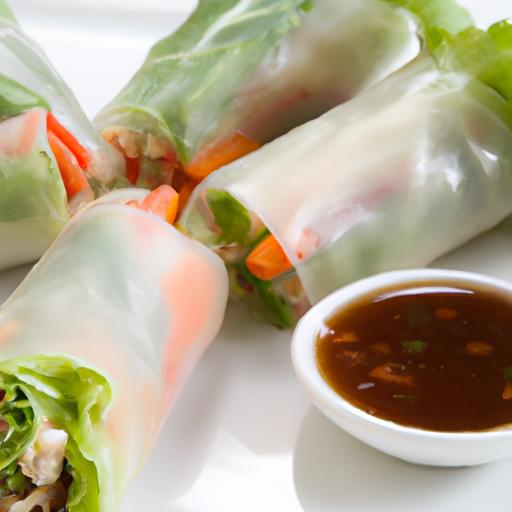
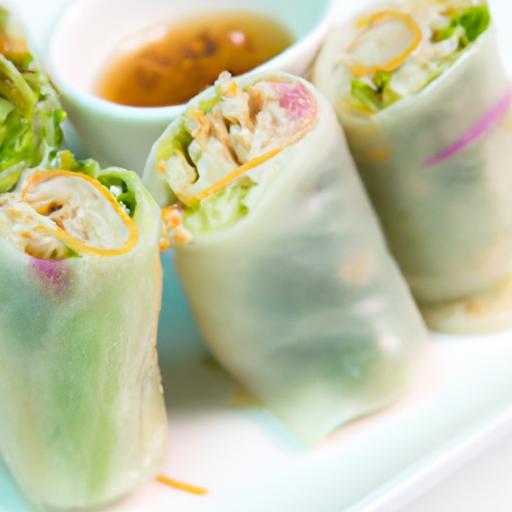
A: spring rolls vary widely! In Vietnam, you’ll find delicate fresh rolls called gỏi cuốn, bursting with herbs, shrimp, and vermicelli, wrapped in translucent rice paper. In China, the fried spring roll is golden and crunchy, frequently enough filled with pork and cabbage. The Philippines offers lumpia, which can be savory or sweet, while Thailand’s po pia tod are known for their crispy texture and spicy dipping sauces.
Q4: What ingredients define a perfect spring roll filling?
A: The perfect filling balances texture and flavor-think crisp vegetables like cabbage, carrots, and bean sprouts, tender proteins such as shrimp, pork, or tofu, and fragrant aromatics like garlic, ginger, and scallions.A dash of soy sauce, sesame oil, or fish sauce can elevate the mix, while herbs such as cilantro or mint add freshness.
Q5: What secrets lie in the art of wrapping and frying spring rolls?
A: wrapping spring rolls is a delicate dance of precision and care. The wrapper must be thin but sturdy enough to hold the filling without tearing. Folding edges neatly ensures a tight seal, preventing filling from escaping. Frying demands just the right oil temperature-too hot and the wrapper burns; too cool and it becomes soggy. The goal? A golden, crisp exterior that shatters satisfyingly with each bite.Q6: How can spring rolls be enjoyed beyond the traditional dipping sauces?
A: While classic sweet chili or hoisin-based dips reign supreme, spring rolls invite creativity! Try pairing them with tangy tamarind sauce, creamy peanut dip, or a zesty lime and fish sauce blend. Some adventurous palates enjoy them with fruity salsas or even wasabi mayo, turning each bite into a new flavor adventure.
Q7: Can spring rolls be made ahead and kept crispy?
A: Spring rolls are best enjoyed fresh for maximum crunch. however, if you must prepare ahead, fry them until just golden, then cool on a rack to prevent sogginess, and reheat in a hot oven or air fryer to revive crispiness. Storing them wrapped in paper towels inside an airtight container helps absorb excess moisture.
Q8: What makes spring rolls a perfect gateway to exploring global flavors?
A: Spring rolls are like edible passports! Their simple concept welcomes endless variations reflecting local spices, herbs, and cooking styles. Whether wrapped in rice paper or wheat flour, filled with fiery thai spices or mild Japanese veggies, the spring roll is a crispy canvas that offers a delicious introduction to world cuisines-one bite at a time.
Key Takeaways
As we unwrap the final layer of our crispy journey, it’s clear that spring rolls are more than just a delightful snack-they’re a vibrant tapestry of culture, flavor, and history rolled into every bite. From the delicate crunch of the wrapper to the symphony of fillings inside, spring rolls invite us to savor simplicity and complexity all at once. Whether enjoyed fresh or fried, classic or reinvented, these golden parcels continue to inspire culinary creativity across the globe. So next time you bite into a spring roll, remember you’re not just tasting food-you’re experiencing a flavorful story unwrapped, one crisp bite at a time.