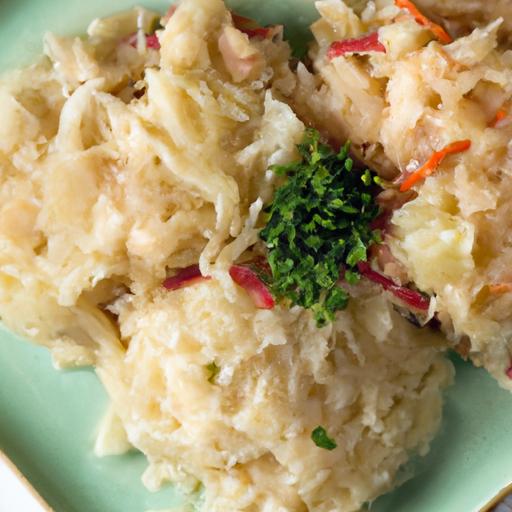


Ther’s something undeniably magical about the crunchy, tangy bite of a well-crafted sauerkraut-a culinary gem that has delighted taste buds for centuries. But what if you could unlock the secrets to making your own perfectly tangy sauerkraut right at home? Beyond being a simple side dish, sauerkraut is a vibrant testament to the art of fermentation, blending science and tradition to create a flavor that’s both bold and surprisingly nuanced.In this article, we’ll dive deep into the world of sauerkraut, uncovering the essential tips and techniques that transform humble cabbage into a probiotic-packed masterpiece bursting with zingy goodness. Whether you’re a fermentation novice or a kitchen adventurer seeking that flawless tang, prepare to embark on a flavorful journey that will elevate your homemade sauerkraut to new heights.
Unlock the Secrets to a Perfectly Tangy Sauerkraut recipe begins long before fermentation-it starts with selecting the right cabbage and salt. Choosing fresh, crisp cabbage varieties such as green Dutch or pointed Savoy ensures your sauerkraut has a vibrant crunch and delicate sweetness that perfectly balances the tang. Coupled with the use of a high-quality, additive-free sea salt or kosher salt, your fermentation environment encourages the growth of beneficial lactobacillus bacteria critical for that signature tart, tangy flavor.
Prep and Cook Time
- Readiness: 30 minutes
- Fermentation time: 7 to 21 days (depending on taste preference)
Yield
Approximately 6 cups of sauerkraut (serves 4-6)
Difficulty Level
Easy to medium – Ideal for beginners with a penchant for culinary science
Ingredients
- 2 medium heads of green cabbage (about 4 pounds), finely shredded
- 3 tablespoons fine sea salt or kosher salt (no iodine or additives)
- 1 tablespoon caraway seeds (optional, for customary flavor)
- 1 teaspoon juniper berries (lightly crushed, optional)
- 1 small dried chili pepper (optional, for subtle heat)
- Fresh herbs like dill or bay leaf (optional, for layering complexity)
Instructions
- Prepare the cabbage: Remove any damaged outer leaves. Quarter the cabbage, discard the core, and finely shred using a knife or mandoline.
- Salt and massage: Place the shredded cabbage in a large bowl. Sprinkle with salt and use your hands to massage it for about 10 minutes until the cabbage softens and releases a fragrant,slightly sweet brine.
- Add spices: Mix in the caraway seeds, juniper berries, chili pepper, and fresh herbs if using.
- Pack the jar: Firmly pack the cabbage mixture into a clean fermentation crock or glass jar, pressing down to expel air pockets and immerse the cabbage in its brine.
- Weigh down and seal: Place a fermentation weight or a clean smaller jar on top to keep the cabbage submerged. Cover with a breathable cloth or airlock lid to allow gases to escape while preventing contaminants.
- Ferment: Store in a cool, dark place around 65-72°F (18-22°C). Fermentation typically takes 7-14 days; taste your sauerkraut every few days until reaching your desired tanginess.
- Refrigerate: Once fermented to your liking, seal with a tight lid and store in the refrigerator for up to 3 months.
Tips for Success
- Choosing your cabbage: Select dense, heavy heads with no bruises to ensure a sturdy texture and natural sweetness.
- Salt choice matters: Avoid iodized or table salt, which can inhibit fermentation. Use pure sea or kosher salt.
- Temperature control: Keep your fermentation space steady. Too warm speeds fermentation but risks off-flavors; too cold slows bacteria activity.
- Use spices thoughtfully: Caraway seeds and juniper berries bring aromatic depth. Experiment with garlic or ginger for unique twists.
- Handling your kraut: Always use clean utensils to avoid contamination. If you see white scum (kahm yeast), it’s harmless; skim it gently.
- Make ahead: Sauerkraut improves with age-ferment longer for deeper tanginess and complexity.
Serving Suggestions
Serve your perfectly tangy sauerkraut chilled or at room temperature alongside hearty sausages, roasted pork, or melt it into a classic Reuben sandwich. Garnish with fresh dill sprigs or a sprinkle of smoked paprika to elevate its rustic charm. For a refreshing twist, toss sauerkraut into grain bowls or slaws for vibrant crunch and zing.
| Nutrient | Per ½ cup |
|---|---|
| Calories | 27 |
| Protein | 1 g |
| Carbohydrates | 6 g |
| Fat | 0 g |
Discover more about fermentation science and boost your confidence to create tangy,flavorful sauerkraut every time.
For more inspired fermentation recipes, check out our guide on homemade fermented vegetables, where you’ll learn to expand your probiotic pantry with ease.

Q&A
Q&A: Unlock the Secrets to a Perfectly Tangy Sauerkraut recipe
Q1: What makes sauerkraut perfectly tangy?
A1: The magic lies in the fermentation process! It’s all about the right balance of salt, time, and temperature that encourages the growth of beneficial lactic acid bacteria.These microbes produce the signature tangy, sour flavor as they transform cabbage sugars into lactic acid.
Q2: How much salt should I use for authentic tangy sauerkraut?
A2: The golden rule is roughly 2% salt by weight of the cabbage. This means about 1 tablespoon of salt per 1.5 pounds of cabbage. Too little salt,and fermentation might go astray; too much,and the process slows down,dulling the tangy punch.
Q3: Can I use any cabbage variety for my sauerkraut?
A3: While green cabbage is classic, you can experiment! Savoy adds a tender texture, and red cabbage lends a beautiful color and a slightly diffrent flavor profile.the key is fresh, crisp cabbage packed tightly to exclude air.
Q4: why is packing the cabbage tightly so significant?
A4: Fermentation thrives in an anaerobic (oxygen-free) environment. pressing the cabbage down ensures it’s submerged in its own brine, preventing unwanted mold and encouraging the tangy lactic acid bacteria to work their magic.
Q5: How long should I ferment sauerkraut for that perfect tang?
A5: Patience is a virtue! Typically, 2 to 4 weeks at around 65-70°F (18-21°C) will yield that classic tangy kick. Taste it along the way-when the flavor hits your ideal balance of sour and crunch, it’s ready to refrigerate.
Q6: Can I speed up the fermentation process without sacrificing flavor?
A6: while warmer temperatures speed things up,beware: too warm,and you risk off-flavors or mushy kraut. If you’re in a hurry,start at around 70°F but keep a close eye on your kraut’s taste and texture as it ferments.
Q7: Are there secret ingredients to enhance tanginess?
A7: Keep it simple for authentic tang, but some adventurous fermenters add a dash of caraway seeds, juniper berries, or even a bit of grated horseradish. These additions complement and deepen the sauerkraut’s flavor without overpowering the tang.
Q8: How do I know if my sauerkraut has gone bad?
A8: Trust your senses-if you see mold (fuzzy, blue, black), smell something rotten instead of pleasantly sour, or notice sliminess, it’s best to discard. Properly fermented sauerkraut smells fresh, tangy, and has a firm texture.
Q9: What are the health benefits of eating tangy sauerkraut?
A9: Beyond its luminous flavor, sauerkraut is a probiotic powerhouse. The live bacteria support gut health, boost immunity, and help with digestion. Plus, it’s low in calories and high in fiber-a tasty way to nourish your body.
Q10: How should I store my perfectly tangy sauerkraut after fermentation?
A10: Once it reaches the flavor you love, transfer your sauerkraut to the fridge. Cooler temperatures slow fermentation, preserving that crispness and vibrant tang for months. Just make sure it stays submerged under the brine!
In Summary
Now that you’ve uncovered the secrets to crafting that perfectly tangy sauerkraut, your kitchen is primed for a flavor revolution. With each crisp, zesty bite, you’re not just enjoying a side dish-you’re embracing a time-honored tradition that dances between science and art. So grab your cabbage, salt, and a little patience, and let fermentation work its magic. Soon, you’ll have a vibrant, probiotic-packed masterpiece that elevates every meal and captivates every palate. Here’s to tangy perfection-your sauerkraut adventure starts now!