

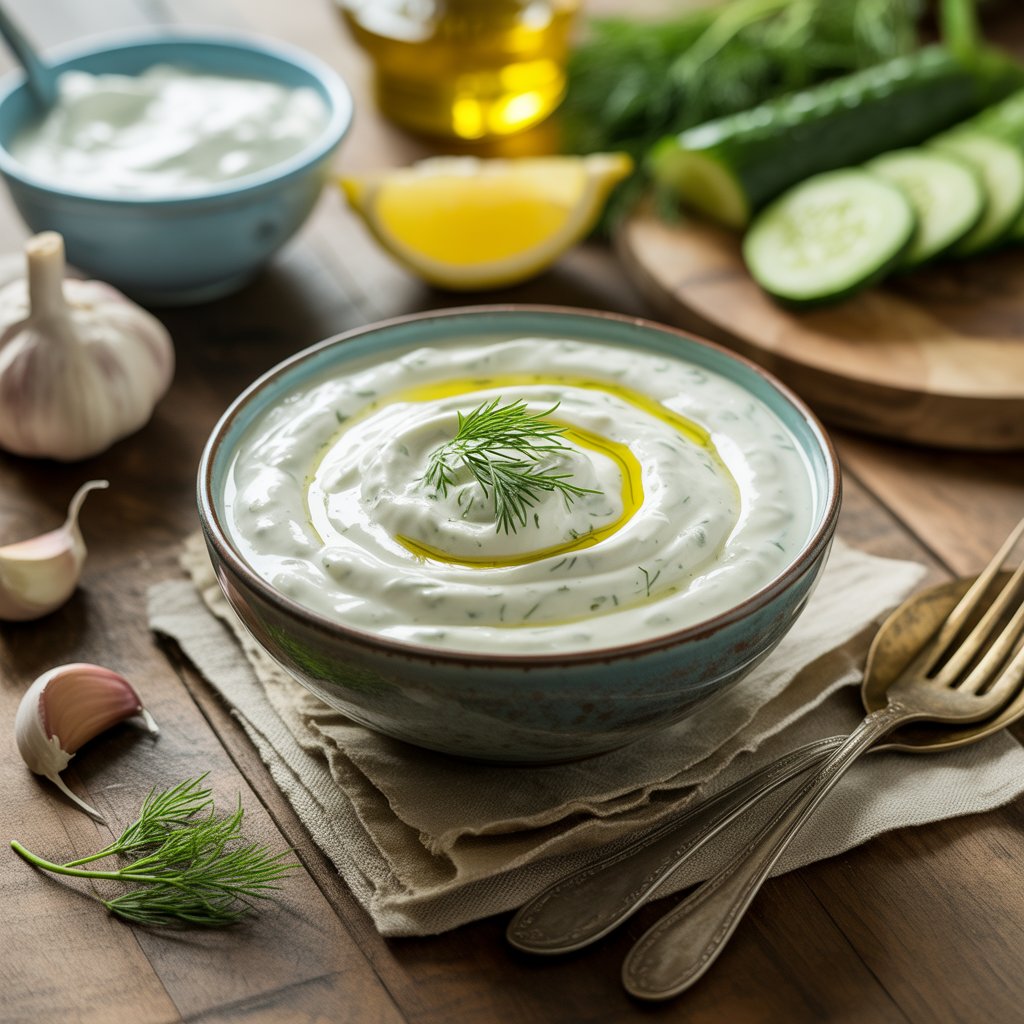
There’s something undeniably refreshing about tzatziki sauce—the cool, creamy blend of yogurt, cucumber, garlic, and herbs that has long been a staple of Mediterranean cuisine. While traditional recipes have delighted palates for centuries, homemade tzatziki offers a unique opportunity to put a fresh twist on this beloved classic. By tailoring the ingredients and experimenting with textures and flavors, you can create a personalized version that elevates everything from grilled meats to vibrant veggie platters. In this article, we’ll explore how to craft your own homemade tzatziki sauce, unlocking the secrets to its perfect balance of zest, creaminess, and freshness—bringing a burst of tradition and innovation straight to your table. “`html
Homemade Tzatziki Sauce: A Fresh Twist on Tradition
Homemade tzatziki sauce captures the essence of Mediterranean cuisine through its bright, creamy, and herbaceous profile. This beloved condiment, crafted primarily from fresh cucumbers, velvety Greek yogurt, and fragrant herbs, brings a refreshing balance to any dish. Originating from ancient Greece, this sauce has evolved yet remains rooted in simplicity and quality ingredients. I vividly recall blending my first batch of tzatziki in a sunlit kitchen on a warm summer afternoon—its cool, tangy flavor instantly transported me to a seaside taverna. Achieving that perfect harmony of taste and texture relies heavily on mastering key techniques and selecting premium, fresh ingredients.
Prep and Cook Time
- Preparation Time: 15 minutes
- Rest Time: 1 hour (for flavors to meld)
- Total Time: 1 hour 15 minutes
Yield
Approximately 1 ½ cups (serves 4-6 as a dip or accompaniment)
Difficulty Level
Easy — perfect for home cooks of all levels
Ingredients
- 1 large cucumber (preferably English, peeled and finely grated)
- 1 ½ cups full-fat Greek yogurt (strained for creaminess)
- 2 cloves garlic (minced or grated)
- 1 tablespoon extra virgin olive oil
- 1 tablespoon white wine vinegar (or fresh lemon juice)
- 2 tablespoons fresh dill (finely chopped)
- 1 tablespoon fresh mint (optional, finely chopped)
- Salt to taste
- Freshly ground black pepper to taste
Instructions
- Prepare the cucumber: Peel the cucumber, then grate it finely. Place the grated cucumber in a clean kitchen towel or cheesecloth and squeeze firmly to remove excess moisture. This step is vital to avoid a watery sauce.
- Combine ingredients: In a mixing bowl, add the Greek yogurt, minced garlic, olive oil, white wine vinegar (or lemon juice), and chopped fresh dill and mint. Stir gently to blend.
- Add cucumber: Fold the well-drained cucumber into the yogurt mixture. Season generously with salt and freshly ground black pepper, adjusting to taste.
- Chill: Cover the bowl tightly and refrigerate for at least one hour. This rest time allows the flavors to marry and the sauce to thicken into that signature creamy consistency.
- Final touch: Before serving, give the tzatziki a gentle stir and drizzle a little extra olive oil on top for a glossy finish. Garnish with a sprig of fresh dill or a sprinkle of smoked paprika for a colorful twist.
Tips for Success
- Choosing the right cucumber: English cucumbers have fewer seeds and thinner skins, reducing bitterness and excess moisture.
- Straining yogurt: For an even thicker sauce, strain standard Greek yogurt through a cheesecloth-lined sieve for 30-60 minutes.
- Garlic intensity: Start with one clove and add more to taste if you prefer a bolder garlic presence.
- Make-ahead: Tzatziki’s flavor improves with time—prepare it up to 24 hours in advance and store in an airtight container in the fridge.
- Texture mastery: Avoid over-mixing to keep a light, creamy body without becoming watery or too thick.
Serving Suggestions
Homemade tzatziki sauce is wonderfully versatile. Serve it as a cooling dip with warm pita wedges, crispy vegetable crudités, or alongside grilled meats like lamb kebabs and chicken souvlaki. For a Mediterranean mezze platter, pair it with stuffed grape leaves, olives, and fresh tomatoes. Drizzle it generously over roasted vegetables or use it as a spread inside wraps and sandwiches for a vibrant pop of flavor.
Visually, present tzatziki in a shallow bowl, garnished with a drizzle of golden olive oil, a few sprigs of dill, and a dusting of smoked paprika or sumac for a pop of color and added depth.
Q&A
Q&A: Homemade Tzatziki Sauce – A Fresh Twist on Tradition
Q1: What is tzatziki sauce, and why is it so beloved in Mediterranean cuisine?
A1: Tzatziki is a creamy, tangy yogurt-based sauce traditionally made with cucumber, garlic, olive oil, lemon juice, and fresh herbs like dill or mint. It’s beloved for its refreshing flavor and cooling effect, making it the perfect companion to grilled meats, pita bread, and vibrant salads across the Mediterranean. Its balance of creamy and zesty notes has made it a staple that brightens any dish.
Q2: How does making homemade tzatziki differ from store-bought versions?
A2: Homemade tzatziki bursts with freshness that you just can’t find in store-bought jars. By making it yourself, you control the ingredient quality—using thick Greek yogurt, freshly grated cucumbers, and pungent garlic. Plus, you can tweak the flavors: add more lemon for zing, more herbs for brightness, or even a touch of spice. Store-bought sauces often contain preservatives and lack that vibrant homemade punch.
Q3: What is the secret to the perfect cucumber texture in homemade tzatziki?
A3: The key lies in wringing out the cucumber’s moisture. After grating, sprinkle it lightly with salt, let it sit for 10 minutes, then squeeze out excess water using a clean cloth or your hands. This prevents your tzatziki from becoming watery and keeps it luxuriously creamy and thick.
Q4: Which herbs pair best with traditional tzatziki, and can you experiment with others?
A4: Classic tzatziki often features dill for its subtle anise-like flavor or mint for a bright, cool finish. However, don’t be afraid to play around! Fresh parsley or chives add unique twists, and a pinch of oregano can bring a deeper earthy tone. The freshness of the herbs truly elevates the sauce.
Q5: Can homemade tzatziki be stored, and how long does it last?
A5: Absolutely! Homemade tzatziki stays fresh in an airtight container in the fridge for up to 3-4 days. Flavors tend to deepen over time, but the herbs might wilt, so sprinkle a few fresh leaves on top before serving. Always give it a quick stir before dipping!
Q6: How can you incorporate a “fresh twist” on traditional tzatziki?
A6: Elevate your tzatziki by adding a surprise element: roasted garlic for mellow sweetness, a pinch of smoked paprika for warmth, or blended avocado for extra creaminess. You can also try swapping Greek yogurt with plant-based alternatives to cater to vegan diets. The charm of homemade tzatziki is in its versatility—make it your own!
Q7: What dishes pair best with homemade tzatziki to showcase its fresh flavors?
A7: Tzatziki is wonderfully versatile. Serve it as a dip alongside warm pita chips or crudités, drizzle over grilled lamb, chicken, or even roasted veggies. It’s a cool counterpoint to spicy falafel and a vibrant condiment for Mediterranean grain bowls. Wherever you need a fresh, tangy lift, tzatziki shines!
Whether you’re a tzatziki traditionalist or craving a creative culinary spin, homemade tzatziki offers fresh flavors and endless possibilities. Ready, set, dip!
Future Outlook
Whether drizzled over grilled meats, dolloped onto warm pita bread, or served as a refreshing dip for crunchy veggies, homemade tzatziki sauce brings a vibrant burst of flavor that honors tradition while inviting your own creative touch. By embracing this simple yet versatile recipe, you’re not just making a condiment—you’re crafting a little pot of Mediterranean sunshine that can elevate any meal. So next time you crave something fresh, tangy, and utterly satisfying, remember that with just a few ingredients and a bit of love, homemade tzatziki is always within reach, ready to transform ordinary dishes into extraordinary experiences.