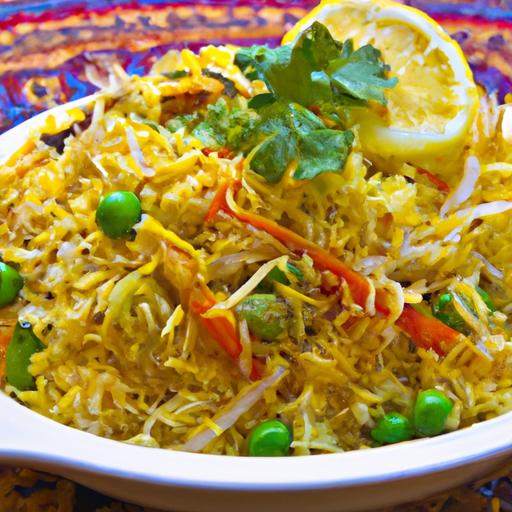

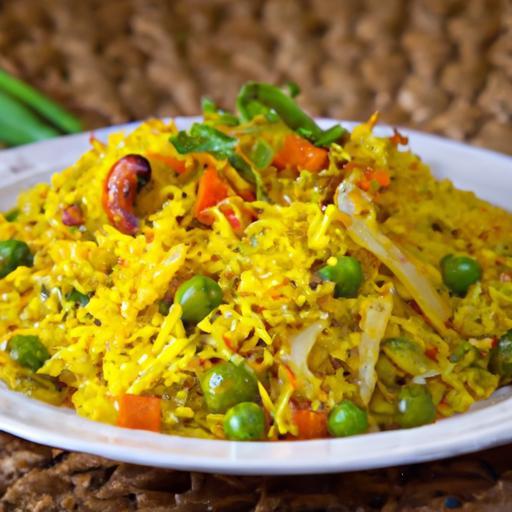
In teh vibrant world of cuisine, few dishes capture the imagination quite like biryani-a symphony of spices, aromas, and textures that unfolds with every bite. Among its many variations, vegetable biryani stands out as a party of nature’s bounty, weaving together an array of fresh, colorful produce into a fragrant, hearty masterpiece. “Flavorful Harmony: The Art of Perfect Vegetable Biryani” delves into the time-honored techniques and thoughtful ingredient pairings that transform humble vegetables and fragrant rice into a dish bursting with complexity and warmth. Join us as we explore the delicate balance of flavors and the cultural tapestry behind this beloved culinary creation, inviting both seasoned cooks and curious food lovers to master the art of biryani in their own kitchens.
Flavorful Harmony: Selecting the Finest Vegetables for Rich and Vibrant Biryani
flavorful harmony in vegetable biryani begins long before the rice hits the pot; it starts with choosing fresh, vibrant vegetables that sing together in perfect balance. This beloved Indian classic, steeped in centuries of culinary tradition, showcases an orchestra of textures and colors that turn every bite into a celebration. When you select the freshest produce-crisp carrots, tender green beans, earthy peas, and jewel-like bell peppers-you set the foundation for a biryani that bursts with natural sweetness and delightful crunch.
Prep and Cook Time
- planning: 25 minutes
- Cooking: 45 minutes
- Total Time: 1 hour 10 minutes
Yield
- Servings: 6 generous portions
Difficulty Level
- Medium
Ingredients
- 1 ½ cups Basmati rice, rinsed and soaked for 30 minutes
- 1 cup carrots, diced
- 1 cup green beans, trimmed and cut into 1-inch pieces
- ½ cup green peas, fresh or frozen
- ½ cup red and yellow bell peppers, diced
- 1 large onion, thinly sliced
- 2 medium tomatoes, finely chopped
- 3 cloves garlic, minced
- 1-inch piece ginger, grated
- 4 tablespoons ghee or vegetable oil
- 1 cup plain yogurt
- 1 teaspoon turmeric powder
- 1 teaspoon red chili powder
- 2 teaspoons garam masala
- 1 teaspoon cumin seeds
- 4 green cardamom pods
- 4 whole cloves
- 1 bay leaf
- 1 cinnamon stick (2-inch)
- Salt to taste
- Fresh cilantro and mint leaves for garnish
- 1 teaspoon saffron strands soaked in 2 tablespoons warm milk (optional)
Instructions
- Prepare the rice: Drain the soaked basmati rice and cook in boiling salted water until it reaches 70% doneness, about 6-7 minutes. Drain and set aside. This parboiling ensures the grains remain separate and fluffy when layered.
- Sauté whole spices: Heat ghee in a heavy-bottomed pan over medium heat. Add cumin seeds, cardamom pods, cloves, bay leaf, and cinnamon stick. Sauté until aromatic,about 1 minute,being careful not to burn the spices.
- Cook onions: Add sliced onions and sauté until golden brown and caramelized, roughly 8-10 minutes. Stir regularly to prevent sticking, allowing the sugars to develop a rich, sweet depth.
- Add ginger and garlic: Stir in minced garlic and grated ginger. Cook for 1-2 minutes until fragrant.
- Incorporate vegetables: Toss in diced carrots, green beans, peas, and bell peppers. cook for 5 minutes, stirring occasionally, until vegetables are slightly tender but retain their crunch for texture contrast.
- Introduce tomatoes and yogurt: Add chopped tomatoes, turmeric, red chili powder, salt, and yogurt. Mix well and cook on low heat until tomatoes soften and the mixture becomes thick, about 8 minutes.The yogurt adds creaminess and helps tenderize the vegetables.
- Master the spice blend: Sprinkle garam masala evenly over the vegetable mixture.Stir gently to coat every piece, enhancing the depth and warmth of your biryani with this signature blend.
- Layering the biryani: In a wide, heavy-bottomed pot, spread half of the vegetable mixture evenly. Top with half of the parboiled rice. Garnish with half of the chopped cilantro, mint, and a drizzle of saffron milk for a radiant golden hue.Repeat the layers with the remaining vegetables, rice, herbs, and saffron milk, creating a vibrant patchwork of colors and aromas.
- Cook on dum (steam cooking): Seal the pot with a tight-fitting lid or dough to trap the steam. Place over a low flame and cook for 25-30 minutes. This slow steaming melds flavors, infusing each grain of rice with the essence of the spices and vegetables.
- Final touches: Let the biryani rest for 10 minutes before gently fluffing with a fork to maintain those perfectly separated grains.
Chef’s notes: Tips for Success
- Use the freshest vegetables you can find; seasonal produce enhances flavor and texture.
- Do not oversoak the saffron; excessive soaking will dilute its flavor and color.
- For a vegan version, substitute yogurt with coconut yogurt or cashew cream to maintain the creamy tang.
- Caramelizing onions deeply is crucial; it layers the savory sweetness critical to the biryani’s complexity.
- If you prefer a spicier version, increase red chili powder gradually and always taste the masala before layering.
Serving Suggestions
Serve this vegetable biryani with creamy raita or cooling cucumber salad to balance the layers of spice.Garnish generously with freshly chopped cilantro and mint, and add a wedge of lemon for a refreshing citric pop.Present on a rustic wooden platter topped with edible rose petals or fried onions for an inviting, festive flair.

Nutritional Information
| Nutrient | Per Serving |
|---|---|
| Calories | 320 kcal |
| Protein | 7 g |
| Carbohydrates | 55 g |
| Fat | 6 g |
For a deeper dive into perfecting spice blends, check out our Complete Guide to Indian Spices. To understand the health benefits of the spices used, visit this scientific overview on the medicinal properties of spices.
Q&A
Q&A: flavorful Harmony – The Art of Perfect Vegetable biryani
Q1: What makes vegetable biryani truly special compared to other rice dishes?
A1: Vegetable biryani is a symphony of spices,textures,and colors that dance together in perfect harmony. Unlike plain rice or simple pilafs, biryani layers fragrant basmati rice with marinated vegetables, herbs, and complex spice blends, resulting in a multidimensional flavor experience that’s both hearty and wholesome.
Q2: How crucial are the spices in crafting an authentic vegetable biryani?
A2: Spices are the soul of vegetable biryani. The careful balance of warming cinnamon, earthy cumin, aromatic cardamom, and fiery chili creates an intricate flavor profile. Each spice plays a distinct note, blending seamlessly to create a dish that’s vibrant yet balanced – far beyond just heat or aroma alone.
Q3: Can you explain the layering technique used in vegetable biryani?
A3: Layering is an art form that builds depth in biryani. you start by cooking vegetables and spices to perfection, then partially cook the rice. These elements are then carefully layered – rice, veggies, fresh herbs like mint and coriander, fried onions, and sometimes saffron-infused milk. Sealed and slow-cooked (dum cooking), the layers gently steam together, allowing flavors to marry and textures to sing.
Q4: which vegetables work best in biryani to achieve both flavor and texture?
A4: A medley of firm and delicate vegetables bring biryani to life. Carrots, green beans, peas, potatoes, and cauliflower provide varied textures, while bell peppers and tomatoes add juiciness and color. Choosing fresh, seasonal vegetables ensures vibrancy, while thoughtful chopping ensures every bite delivers a pleasing crunch or softness.
Q5: What tips can definitely help achieve the perfect fluffy rice that doesn’t stick or clump?
A5: The trick is in rinsing the basmati rice multiple times to wash away excess starch, soaking it for 20-30 minutes to elongate the grains, and par-cooking it until just al dente. During the final cooking phase with the vegetables, gentle steaming allows the rice to fully absorb the aromatic flavors without losing its individuality or becoming mushy.
Q6: How can home cooks infuse their biryani with the signature aroma frequently enough found in restaurant versions?
A6: A few secret touches can elevate biryani aroma: whole spices toasted lightly before use, a few strands of saffron soaked in warm milk, and a handful of fried onions scorchingly caramelized until golden brown. Also, adding a sprinkle of rose water or kewra essence at the end can lend an irresistible floral nuance.
Q7: Is vegetable biryani suitable for special occasions or everyday meals?
A7: Absolutely! Vegetable biryani shines at both festive gatherings and comforting home dinners. Its rich yet balanced flavors make it a celebratory centerpiece, while its wholesome ingredients and adaptability to various vegetables make it a versatile, nourishing choice any day of the week.
Q8: How can one balance health with indulgence in vegetable biryani?
A8: By choosing fresh vegetables, moderating oil, and using natural yogurt or plant-based alternatives for marination, you maintain vibrancy without heaviness. Using whole spices instead of pre-made mixes ensures freshness,and cooking with minimal fat preserves the dish’s nourishing qualities without sacrificing taste.
Crafting the perfect vegetable biryani is a celebration of harmony – where every grain, vegetable, and spice plays a vital role in a masterpiece of flavor and texture. With patience and a dash of love, your kitchen can echo the timeless magic of this iconic dish.
Concluding Remarks
As the final grains of saffron-kissed rice settle and the aromatic symphony of spices lingers in the air, vegetable biryani reveals itself not just as a dish, but as a masterpiece of flavor harmony. Each vegetable, each spice, and each layer plays its part in an intricate dance-balancing textures and tastes to create a culinary experience that is both comforting and captivating. Mastering the art of perfect vegetable biryani is more than following a recipe; it’s about understanding the delicate interplay of ingredients and honoring the tradition that transforms humble vegetables into a celebration of color, aroma, and taste.Whether you’re a seasoned cook or a curious foodie, embracing this vibrant dish invites you into a world where every bite is a flavorful chord-striking just the right note in the grand composition of Indian cuisine.